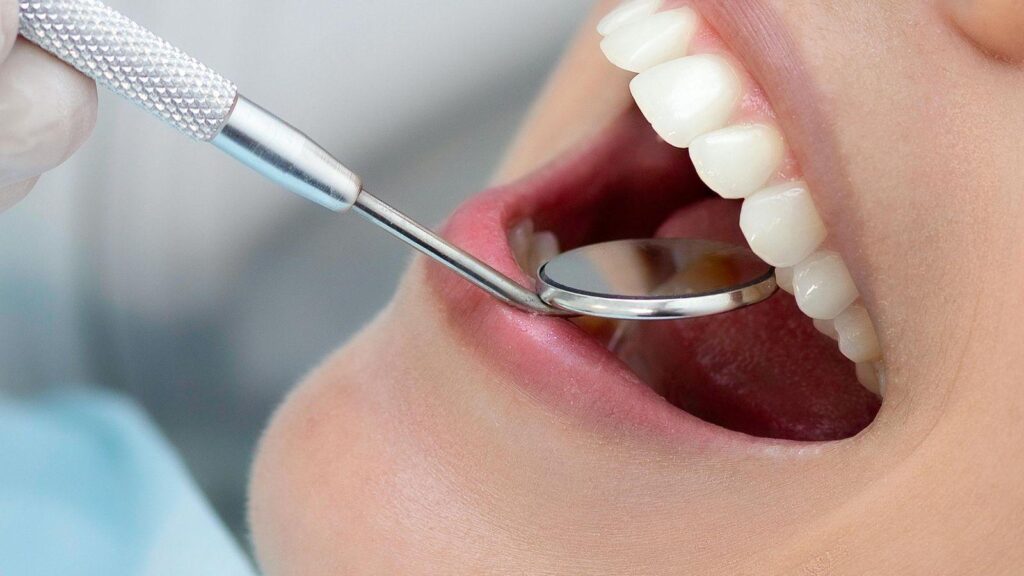
If you notice persistent pain, swelling, or crowding that affects chewing or oral health, you may need a tooth extraction in Woodbury, MN — especially when other treatments can’t save the tooth.
This article walks you through what to expect from the extraction process, common symptoms that signal extraction might be necessary, how impacted teeth can complicate matters, and the risks of delaying care.
You’ll also learn when to consult a Woodbury dentist, what alternatives might exist, and practical steps to protect your oral health after a removal.
Table of Contents
ToggleUnderstanding the Tooth Extraction Process
You will learn what the extraction looks like step-by-step, what to expect during the first days of healing, and which common ideas about tooth removal are inaccurate.
The focus is on practical details that affect your comfort and treatment choices.
What Happens During Extraction
Your dentist or oral surgeon first reviews X-rays to plan the approach and identify nearby nerves or sinuses.
They will discuss anesthesia options — local for most simple extractions, local plus sedation for anxious patients, or general anesthesia for complex surgical cases.
On the day of the procedure, the provider numbs the area and confirms you feel numb before starting.
For a simple extraction, they loosen the tooth with an elevator and remove it with forceps.
For a surgical extraction, they may make a small incision, remove bone or section the tooth, then close the site with dissolvable sutures if needed.
Expect the appointment to last 20–90 minutes depending on complexity.
Your care team will give written after-care instructions, prescribe or recommend pain relief and antibiotics only when indicated, and schedule follow-up if stitches or complications are possible.
Recovery and Healing Timeline
You will get a gauze pack to bite on for 30–60 minutes to form a clot; changing it as instructed helps control bleeding.
The first 24 hours carry the highest bleeding and swelling risk; rest with your head elevated and apply cold packs intermittently for 12–24 hours.
Pain usually peaks 12–24 hours after extraction and then improves; over-the-counter NSAIDs or prescribed analgesics should control it.
You can eat soft foods (yogurt, mashed potatoes, smoothies) and avoid straws or vigorous rinsing for 7–10 days to protect the clot.
Stitches, if placed, typically dissolve in 1–2 weeks.
Bone and gum tissue fill the socket over several weeks; full bone remodeling can take 3–6 months.
Contact your dentist for severe pain that feels different from normal healing, persistent bleeding beyond 24 hours, fever, or signs of infection.
Common Myths About Tooth Removal
You do not always need an extraction when a tooth hurts; many teeth respond to root canals, crowns, or periodontal therapy.
Extraction becomes necessary only when restoration risks your oral health or is not feasible.
It’s false that extractions always lead to noticeable bite or facial changes immediately.
Losing a single tooth can change chewing patterns over time if not replaced, but immediate cosmetic or structural collapse is uncommon when you follow replacement planning.
Another myth: extraction guarantees no future problems.
The site can get infected (dry socket or post-op infection) or adjacent teeth can shift if you skip timely replacement.
Your dentist will explain replacement options (implant, bridge, partial denture) and timing that best fit your oral health and budget.
Common Dental Symptoms That May Indicate Extraction Is Needed
Signs you should act include intense, persistent pain; visible or radiographic destruction of tooth structure; repeated abscesses; and loose teeth with deep bone loss.
These problems often make saving the tooth riskier than removing it to protect your long-term oral health.
Severe Tooth Pain or Sensitivity
Severe, unrelenting tooth pain that lasts days or weeks often means the tooth’s nerve is irreversibly damaged.
If pain is sharp, throbbing, or wakes you at night and does not respond to over-the-counter pain relief, your dentist may find the pulp necrotic or infected on examination and X‑ray.
You may also have extreme sensitivity to hot or cold that persists after the stimulus is removed.
That pattern suggests the nerve cannot be saved with conservative treatment, especially if a root canal has already failed.
Watch for swelling, fever, or difficulty opening your mouth.
Those symptoms indicate spreading infection and increase the likelihood an extraction is the safest immediate option.
Extensive Tooth Decay
When decay destroys most of the crown and reaches below the gum line, there may be insufficient tooth structure left for a reliable restoration.
Your dentist evaluates how much healthy tooth remains and whether a crown or root canal can provide lasting function.
If decay extends into the root or has undermined the tooth so a crown would fail, extraction avoids recurrent breakdown and protects adjacent teeth.
In those cases, your provider will discuss replacement options such as an implant, bridge, or removable partial denture.
You’ll likely need radiographs to assess bone and root involvement.
Those images clarify whether the tooth can be saved or whether removal is the more predictable choice.
Recurrent Infections Around a Tooth
Repeated abscesses or sinus tracts around the same tooth, even after root canal therapy, signal persistent infection.
Ongoing infection can cause bone loss and pose systemic risks for people with certain medical conditions.
If retreatment is unlikely to eliminate bacteria because of complex root anatomy, cracks, or persistent drainage, extraction becomes the practical solution.
Your dentist will consider your overall health and discuss timelines for implant placement after healing.
Keep note of symptoms like recurrent facial swelling, bad-tasting drainage, or worsening pain.
Those are red flags that infection remains active and may not be resolved without removing the source tooth.
Advanced Periodontal Disease
Periodontal disease that has caused deep pockets, significant bone loss, and tooth mobility often makes teeth nonrestorable.
When a tooth moves excessively or has lost most of its supporting bone, extraction may prevent spread to neighboring teeth.
You may experience gum recession, persistent bleeding, and pockets greater than 6–7 mm on probing.
Those clinical findings, combined with radiographic bone loss, guide the decision toward extraction versus attempts at regenerative therapy.
After extraction, your dentist will discuss options to preserve the ridge and restore function, which may include bone grafting and timely implant placement if you’re a suitable candidate.
How Impacted Teeth Affect Oral Health
Impacted teeth can block proper tooth alignment, raise infection risk, and cause pressure that damages nearby roots and bone.
They often require X-rays for diagnosis and targeted treatment to prevent worsening problems.
Causes of Tooth Impaction
Impaction occurs when a tooth cannot fully erupt through the gum because of crowding, abnormal angle, or lack of space in the jaw.
In adults, wisdom teeth (third molars) are most commonly impacted due to limited posterior space; impacted canines also occur when baby teeth don’t fall out on time or when the adult tooth develops off course.
Other contributing factors include genetic jaw size, dense overlying bone, and disrupted eruption paths from cysts or tumors.
Previous orthodontic treatment that reduced arch length can increase impaction risk.
Your dentist will typically confirm these causes with a clinical exam and panoramic X-ray to map tooth position relative to nerves and sinus cavities.
Symptoms Specific to Impacted Teeth
Pain or dull pressure at the back of the mouth is common, often felt in the gums, jaw, or even the ear on the same side.
You may notice red, swollen gums or a gum flap (operculum) that traps food and leads to pericoronitis—an infection that causes bad taste, pus, and difficulty opening your mouth.
Impacted teeth can push neighboring teeth, causing crowding or shifting, and they raise the risk of adjacent tooth decay and gum disease because they’re hard to clean.
In some cases you’ll have no pain but X-rays will show bone loss around the impacted tooth or damage to nearby tooth roots, which signals a need for extraction or specialist care.
Risks of Delaying Extraction
Delaying a needed extraction raises the chance of spreading infection, harming nearby teeth, and accelerating jawbone loss.
Act promptly when your dentist recommends removal to reduce pain, preserve surrounding structures, and limit future treatment complexity.
Spread of Infection
If the tooth is infected, bacteria can move from the tooth pulp or surrounding gum into adjacent tissues.
You may notice increasing pain, facial swelling, a bad taste or odor, and sometimes fever — signs that the infection has advanced beyond the tooth socket.
Untreated dental infections can track into the jawbone (osteomyelitis) or the soft tissues of the face and neck.
In rare cases, systemic spread can affect your sinuses or bloodstream; prompt extraction plus targeted antibiotics reduces that risk.
Follow-up care matters.
Your dentist will often prescribe antibiotics and schedule removal once inflammation is controlled to lower complications and speed recovery.
Damage to Adjacent Teeth
A badly decayed or fractured tooth can undermine neighboring teeth.
You might see increased sensitivity, recurrent decay on adjacent teeth, or shifting that exposes root surfaces and creates new cavities.
Chronic pressure from an infected or impacted tooth can erode enamel and cementum on neighboring teeth.
That damage often requires fillings, crowns, or root canals—procedures that increase cost and treatment time compared with an earlier extraction.
Your dentist will evaluate contacts and bite to decide timing.
Early extraction can protect the structural integrity of adjacent teeth and simplify restorative needs.
Worsening Bone Loss
A diseased tooth that stays in place encourages localized bone resorption around the socket.
You may not notice early bone loss, but it reduces the bone volume available for future implants or other restorations.
Over time, progressive bone loss can change your bite and facial support, making prosthetic options like implants or bridges more complex and expensive.
Bone grafting may become necessary to rebuild lost volume, adding procedures and healing time.
Removing the problematic tooth at the appropriate moment preserves more native bone and gives you better options for long-term replacement and function.
Consulting a Dentist in Woodbury, MN
You will get a focused clinical exam, targeted X-rays, and a clear recommendation about whether extraction is necessary and what to expect during recovery.
Your appointment will also identify alternatives like root canal therapy, crowns, or referral to an oral surgeon if needed.
Dental Evaluation and Diagnosis
Your dentist will start with a visual exam and ask about pain, swelling, bite changes, and recent injuries.
Expect periapical and bitewing X-rays; these show root integrity, bone loss, and whether infection has reached the socket or jawbone.
The dentist will test tooth vitality with cold or electric pulp testing and may probe gums to measure pocket depths.
If a tooth is fractured below the gumline, has advanced decay, or has mobility from periodontal disease, extraction becomes more likely.
Your medical history and current medications (blood thinners, bisphosphonates) matter for planning.
The dentist will document risks, explain anesthesia options, and outline immediate next steps like antibiotics or referral for surgical extraction.
When to Seek Immediate Care
Seek same-day care if you have severe, uncontrolled pain, visible swelling that distorts your face, or fever alongside dental pain.
These symptoms suggest spreading infection (cellulitis or abscess) that can threaten nearby structures.
Also contact a dentist promptly if a tooth is knocked out, fractured with exposed pulp, or a temporary crown or bridge fails and causes sharp pain.
Emergency visits may include incision and drainage, IV or oral antibiotics, and expedited extraction when necessary.
If you take anticoagulants or have immune-suppressing conditions, notify the office before any urgent procedure so the team can coordinate medication management and reduce complication risk.
Alternatives to Extraction and Future Care
You can often avoid extraction by treating the cause directly or restoring the tooth once infection or damage is controlled.
If extraction becomes necessary, predictable replacement options preserve chewing, speech, and nearby tooth stability.
Possible Restoration Options
Root canal therapy removes infected pulp while keeping the tooth structure intact.
Your dentist will clean and fill the canals, then typically place a crown to protect the tooth from fracture and restore bite function.
This works well for teeth with deep decay or infection that haven’t lost excessive root or bone support.
For cracked or badly worn teeth, crowns or onlays rebuild shape and strength.
Periodontal treatment—scaling, root planing, and sometimes laser therapy—can arrest gum disease and save teeth with moderate bone loss.
In select cases, surgical interventions like root amputation or bone grafting address localized problems and preserve adjacent tooth roots.
Post-Extraction Tooth Replacement
If extraction is unavoidable, plan a replacement to prevent shifting, bone loss, and bite changes.
Options include:
- Dental implant: a titanium post placed in bone with a crown on top; preserves bone and functions like a natural tooth.
- Fixed bridge: crowns on neighboring teeth support a pontic; faster but requires altering adjacent healthy teeth.
- Removable partial denture: economical and noninvasive; easy to adjust but less stable than an implant or bridge.
Discuss timeline and costs with your Woodbury dentist.
Implants require sufficient bone and several months for healing; bone grafting can extend that timeline.
Choose based on oral health, budget, and how long you want a fixed versus removable solution.
Maintaining Oral Health After Tooth Removal
Follow your dentist’s instructions for the first 24–72 hours to protect the blood clot and reduce risk of dry socket. Bite gently on gauze as directed and avoid rinsing forcefully.
Light saline rinses after 24 hours help keep the area clean. Control pain and swelling with prescribed or over-the-counter medication as advised.
Use an ice pack on your cheek for 10–20 minutes at a time during the first day to limit swelling. Stick to soft, cool foods for several days and avoid drinking through a straw.
Chew on the opposite side of the extraction. Reintroduce firmer foods gradually as comfort allows.
Keep oral hygiene gentle but consistent. Brush other teeth normally.
Use a warm saltwater rinse (½ teaspoon salt in 8 oz water) twice daily starting 24 hours after the extraction to reduce bacteria and promote healing. Avoid smoking and alcohol while the socket heals; both increase infection and slow recovery.
If you have diabetes or other chronic conditions, monitor healing closely and maintain good control of your condition. Watch for warning signs: increasing pain after the first 48 hours, persistent bleeding, fever, or a bad taste or smell.
Contact your dentist in Woodbury, MN promptly if you notice any of these problems.
Quick reference — Do / Don’t
- Do: rest, hydrate, follow medication and rinse schedule.
- Don’t: spit forcefully, use a straw, smoke, or skip follow-up visits.