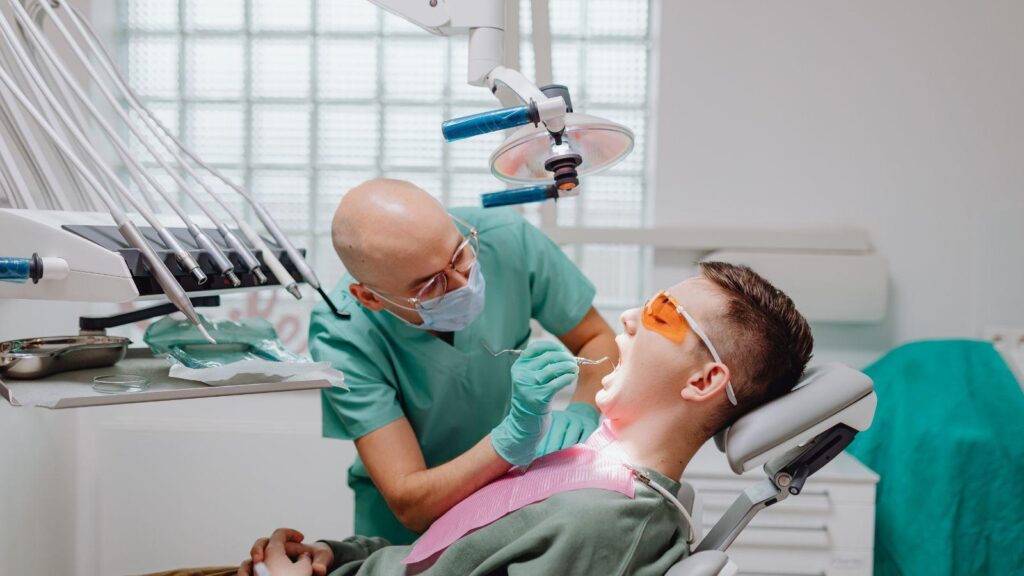
If you suspect sleep apnea or want a CPAP alternative, a custom oral appliance can stop snoring and open your airway while you sleep.
A trained sleep apnea dentist in Brentwood, TN evaluates your airway, takes precise digital or physical impressions, and fits a mandibular advancement device tailored to your jaw so the appliance works comfortably and effectively.
You’ll learn how the consultation, digital impressions, customization, and follow-up adjustments come together to create a lasting solution.
Expect clear steps on what to bring to your appointment, how the device is adjusted for comfort and effectiveness, and how routine care and lifestyle choices in Brentwood support better sleep.
Table of Contents
ToggleUnderstanding Sleep Apnea
Sleep apnea is a disorder where your breathing repeatedly stops or becomes very shallow during sleep.
It can cause loud snoring, daytime sleepiness, and measurable drops in blood oxygen that affect your heart, brain, and overall health.
Types of Sleep Apnea
There are three primary types you should know about.
- Obstructive sleep apnea (OSA): Your airway collapses or becomes blocked when throat muscles relax. This is the most common form and the one most often treated with oral appliances.
- Central sleep apnea (CSA): Your brain temporarily fails to send proper signals to the breathing muscles. You won’t have the same airway collapse; instead, pauses in breathing reflect neurologic control issues.
- Complex (mixed) sleep apnea: You may experience a combination of OSA and CSA features. Treatment may need coordination between your dentist and sleep physician.
Diagnoses rely on an overnight sleep study (polysomnography or home sleep test).
The study measures how many breathing pauses you have per hour (apnea-hypopnea index, AHI), oxygen drops, and sleep stages to guide treatment choice.
Common Symptoms
Recognize signs that suggest you might have sleep apnea.
- Nocturnal signs: Loud, chronic snoring; witnessed pauses in breathing; gasping or choking during sleep.
- Daytime symptoms: Excessive daytime sleepiness, difficulty concentrating, morning headaches, and irritability.
- Dental and oral clues: You might have a dry mouth, sore jaw, or signs of bruxism (teeth grinding) on dental exam.
Symptoms vary by severity and type.
OSA commonly produces snoring and witnessed apneas, while CSA may present more subtly with daytime fatigue or insomnia rather than loud snoring.
Health Impacts of Untreated Sleep Apnea
Untreated sleep apnea raises risks that affect multiple organ systems.
- Cardiovascular risk: You face higher odds of hypertension, heart attack, stroke, and arrhythmias due to repeated oxygen desaturations and stress on the heart.
- Metabolic and cognitive effects: Expect worsened blood sugar control if you have diabetes, higher weight gain risk, and problems with memory, attention, and mood.
- Safety and quality of life: Daytime sleepiness increases risk of motor-vehicle and workplace accidents and reduces overall productivity and relationship health.
Benefits of Oral Appliances for Sleep Apnea
Oral appliances offer a practical, dental-based option that can reduce airway collapse, cut snoring, and improve daytime alertness.
They work while you sleep and are custom-fit to your mouth for comfort and effectiveness.
Non-Invasive Treatment Options
You get a non-surgical device that fits over your teeth like a retainer and holds your lower jaw forward to keep the airway open.
The appliance requires no incisions, no anesthesia, and no recovery time, so you can start treatment quickly after an evaluation and fitting.
A custom device is made from impressions or a digital scan of your teeth, so it matches your bite and minimizes sore spots.
Regular follow-ups let your dentist adjust the fit and monitor dental or jaw changes.
Risks are generally limited to temporary jaw soreness, teeth shifting, or increased salivation.
Your dentist will screen for temporomandibular joint (TMJ) problems and manage side effects with adjustments or alternative designs.
Comparison to CPAP Therapy
CPAP remains the most effective method at eliminating apneas in a lab setting, but oral appliances often win on comfort and nightly use.
If you cannot tolerate a mask or the pressure, an oral appliance can increase real-world adherence and therefore improve overall outcomes.
Oral appliances are portable, quiet, and require no electricity, which makes them convenient for travel and easier to use overnight.
They also allow you to sleep in any position without hoses or straps affecting your comfort.
Consider a side-by-side view:
- CPAP: superior apnea reduction in ideal use, requires mask, power, and routine cleaning.
- Oral appliance: better tolerance for many patients, simpler maintenance, modestly less reduction in severe apnea events.
Your clinician will weigh severity, anatomy, and your ability to use CPAP when recommending treatment.
Effectiveness for Different Severity Levels
You will often see best results with mild to moderate obstructive sleep apnea; many patients achieve substantial reductions in apnea-hypopnea index (AHI).
For mild OSA, oral appliances can eliminate most events in a large portion of users.
In moderate OSA, expect meaningful improvement in symptoms, daytime sleepiness, and cardiovascular risk markers for many patients, though some may still need CPAP.
For severe OSA, oral appliances may help when CPAP is not tolerated but usually provide less complete control of breathing interruptions.
Your dentist and sleep physician can use a follow-up sleep study or home testing to measure treatment response and decide whether to continue the appliance, adjust it, or switch to another therapy.
Consultation and Examination Process
You will meet with a qualified dentist who evaluates your breathing, jaw alignment, and dental health to determine whether a custom oral appliance is appropriate.
The process combines a focused physical exam, medical history review, and confirmation of a sleep-apnea diagnosis.
Initial Assessment in Brentwood
During your first visit, the dentist inspects your teeth, gums, jaw joints, and airway.
Expect visual and tactile checks for tooth wear, loose restorations, limited jaw opening, and signs of temporomandibular joint (TMJ) dysfunction.
The clinician will measure your bite relationship and assess mandibular range of motion to determine whether a mandibular advancement device can be positioned comfortably and effectively.
They may take digital scans or conventional impressions of your upper and lower arches.
These records allow the lab to fabricate an appliance that fits precisely and preserves your bite.
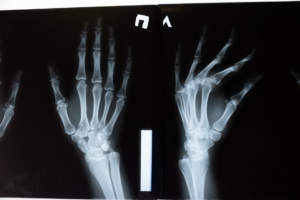
You should bring a list of current medications and any dental X-rays if available.
This visit often includes a discussion of expected benefits, risks, and the follow-up schedule for adjustments.
Medical History Review
You will provide a detailed medical history focused on conditions that affect sleep-breathing and oral health.
The dentist asks about cardiovascular disease, stroke, diabetes, GERD, and prior airway surgeries because these affect treatment planning.
They will also ask about medications that cause dry mouth or relax muscles, which can influence appliance tolerance and effectiveness.
If you have TMJ pain, bruxism, or extensive prosthetic work (crowns, implants, bridges), the dentist evaluates how an oral appliance may interact with these issues.
Clear documentation of allergies, bleeding disorders, and anticoagulant use is collected to avoid complications during any dental procedures tied to appliance care.
Sleep Study Requirements
A valid sleep-apnea diagnosis typically comes from a recent sleep study ordered by your physician.
You may need either an in-lab polysomnogram or a home sleep apnea test (HSAT) that confirms obstructive events and quantifies severity.
Bring the sleep study report that includes AHI (apnea–hypopnea index), oxygen desaturation details, and whether central events were present.
These numbers guide appliance candidacy and expected outcomes.
If you lack a sleep study, the dentist will coordinate with your primary care doctor or a sleep specialist to obtain one before proceeding.
Follow-up sleep testing may be scheduled after fitting and adjustment to document improvement and ensure your treatment meets safety and effectiveness goals.
Digital Impressions and Customization
Digital scans, bite records, and lab collaboration ensure your appliance fits precisely, repositions your jaw correctly, and functions comfortably through the night.
Accurate data and clear communication reduce adjustment visits and speed fabrication.
Gathering Precise Dental Impressions
Your provider will capture a detailed record of your teeth, gums, and jaw relationship.
They often use a digital intraoral scanner to create a high-resolution 3D model; this eliminates messy putty and reduces retakes.
A therapeutic bite record is critical.
The clinician sets your lower jaw forward by a measured amount—commonly 6–10 mm or a fraction of your comfortable protrusion—and records that position with a fast, reproducible method.
Expect the clinician to verify occlusion and soft-tissue clearances on the scan.
If you have restorations, implants, or limited mouth opening, the team documents those specifics so the appliance avoids pressure points and interference.
Utilizing Advanced Imaging Technology
Scanners map tooth surfaces and soft tissues with micron-level accuracy, which helps the appliance seal and retain properly.
Files export as STL or similar formats that the lab and software can read without data loss.
Some practices pair the scan with a digital bite scan or CBCT when airway anatomy or TMJ concerns require assessment.
That additional imaging helps the dentist set the therapeutic jaw advancement to balance airway improvement and jaw comfort.
You’ll often see a virtual setup showing how the appliance will position your jaw and teeth.
This preview allows the dentist to make measured adjustments before fabrication, lowering the chance of refitting.
Collaborating with Dental Labs
The clinician sends the digital records and a prescription that specifies material, degree of mandibular advancement, retention design, and any special clearances.
Clear, itemized instructions reduce misunderstandings and speed production.
Labs use CAD/CAM workflows to design the appliance from the scan, applying indexed stops, venting, and articulating elements per your prescription.
They may 3D-print models or mill the final device from biocompatible thermoplastic materials.
Once fabricated, the lab attaches identification and staging notes.
The dentist inspects fit and function against the original digital records, then performs any minor adjustments chairside to ensure comfort and effective airway positioning.
Fitting and Adjustment Procedures
You will undergo a stepwise process that verifies fit, jaw position, and comfort while allowing for incremental adjustments.
The team will measure outcomes with exams, bite records, and follow-up sleep evaluation.
Ensuring Proper Fit and Comfort
Your dentist will first confirm the appliance seats snugly over your teeth without rocking.
They will inspect contact points, check for pressure areas, and use articulating paper to mark high spots that need trimming.
Expect trial insertion while upright and supine to observe jaw posture and bite changes.
The clinician tests range of motion and asks you to bite, swallow, and speak to ensure the device does not impede normal function.
Soft-tissue areas—tongue, cheeks, and lips—get checked for rubbing or ulceration.
Minor acrylic or thermoplastic adjustments are made chairside.
If you report soreness, the provider will selectively relieve specific teeth or edges and reassess fit the next day.
A retentive shape and even tooth contacts are essential to prevent loosening during the night.
Individual Calibration Techniques
Your provider will set mandibular advancement in millimeter increments based on diagnostic records and symptom severity.
Initial advancement often targets about 50–75% of the measured maximal comfortable protrusion, then is titrated.
Calibration uses objective and subjective feedback.
You’ll track daytime sleepiness and snoring, while follow-up home sleep testing or polysomnography measures apnea-hypopnea index changes.
Adjustments follow a protocol: advance 1–2 mm every 1–2 weeks if symptoms persist, and retreat slightly if you develop jaw pain or bite changes.
Some practices use bite gauges, protrusion forks, or digital scanning to record exact positions.
Records include photographs, models, and a written advancement log so you and the clinician can reproduce settings accurately.
Patient Education on Appliance Use
You will receive clear instructions for insertion and removal: always insert the upper portion first, then the lower, and remove by loosening the back first to avoid stress on teeth.
Wear the appliance nightly at first for short naps to build tolerance before full nights.
Clean the device daily with a soft brush and mild soap; avoid hot water and abrasive pastes.
Store it in a ventilated case.
Report new jaw pain, persistent tooth sensitivity, or changes in bite within two weeks.
Follow-up appointments typically occur 2–6 weeks after delivery, then at 3 months and annually.
Bring a sleep diary and any home test results to these visits so your provider can correlate symptoms with physical adjustments.
Follow-Up Care and Maintenance
Expect scheduled reviews, device adjustments, and daily cleaning routines to protect fit, function, and your sleep test outcomes.
You’ll track symptoms, have periodic oral exams, and follow specific cleaning steps to prevent wear and dental problems.
Routine Check-Ups
You will usually return to the Brentwood clinic 4–6 weeks after delivery for an initial fit and symptom check.
The provider measures jaw position, inspects teeth for new soreness or mobility, and asks about snoring, daytime sleepiness, and partner reports.
Plan follow-ups every 3 months during the first year to assess efficacy and bite changes, then every 6–12 months if things remain stable.
These visits often include a visual exam, occlusal (bite) assessment, and documentation of any dental or TMJ changes.
Bring notes from any home sleep tracking or a repeat sleep study if recommended; your dentist will compare those results to baseline to confirm continued benefit.
If you notice looseness, increased snoring, or tooth pain, schedule an earlier appointment.
Updating the Appliance Over Time
Materials wear and the jaw can shift, so expect an appliance lifespan of roughly 3–5 years depending on use and care. Minor repairs—screw replacement, clasp adjustments, or rebasing—can restore function without a full remake.
When adjustments no longer achieve proper jaw advancement or the device shows cracks, fabrication of a new custom appliance becomes necessary. Your dentist will document wear patterns and may take new impressions or digital scans to ensure the replacement matches current dental anatomy.
If your medical status or weight changes significantly, or if you start new dental work (crowns, extractions), inform your provider because those factors can alter fit and effectiveness.
At-Home Cleaning Guidelines
Rinse the appliance with cool water immediately after removal to wash away saliva and debris. Clean daily with a soft toothbrush and non-abrasive, mildly soapy water or a toothpaste labeled safe for appliances.
Avoid hot water and abrasive pastes that deform or scratch the material. Soak the device 1–2 times weekly in an ADA-accepted denture or retainer cleaner following the product instructions.
After soaking, rinse thoroughly before reinserting to remove residue. Store the appliance in its ventilated case when not in use.
Inspect it weekly for cracks, staining, or odor and report any changes to your dentist promptly.
Lifestyle Considerations in Brentwood
Using a custom oral appliance affects nightly habits and daytime comfort. Plan for cleaning, travel, follow-up visits, and local support to keep therapy effective and comfortable.
Integrating Appliances with Daily Routines
Wear your appliance every night as directed; consistency gives the best symptom improvement. Rinse and brush the device each morning and store it in the ventilated case to prevent odor and bacterial buildup.
Expect an adjustment period of days to a few weeks. You may notice mild jaw soreness or increased saliva at first.
Simple stretches, short daytime wear trials, and over-the-counter pain relievers can help if your dentist approves. If you travel from Brentwood, pack the case, any retention straps, and a copy of your dental provider’s contact info.
Keep a small oral hygiene kit (toothbrush, mild soap, mirror) in your carry-on for overnight stays.
Local Specialists and Resources
Brentwood has several dental practices and sleep specialists that provide oral appliance therapy and follow-up care. Choose a provider who offers sleep apnea screenings, custom impressions, and in-office adjustments to avoid long drives for routine tuning.
Confirm appointment availability and emergency contact procedures before you start treatment. Some clinics coordinate with sleep physicians for sleep studies or CPAP-to-appliance transitions.
Check whether your chosen clinic accepts your insurance or offers financing. That affects how often you can return for refinements and maintenance.
Patient Support Communities
You can join local or regional groups for people using oral appliances or managing sleep apnea. Look for Brentwood or greater Nashville support groups, online forums, and social media pages for practical tips on device care and lifestyle adjustments.
Peer groups often share vendor recommendations for cases, cleaning products, and gentle jaw exercises. They also provide referrals to trustworthy Brentwood practitioners when you need a replacement or adjustment.
Attend a meetup or online Q&A to learn real-world strategies for sleeping positions. You can also get advice on travel packing and communicating with partners about snoring and appliance noise.