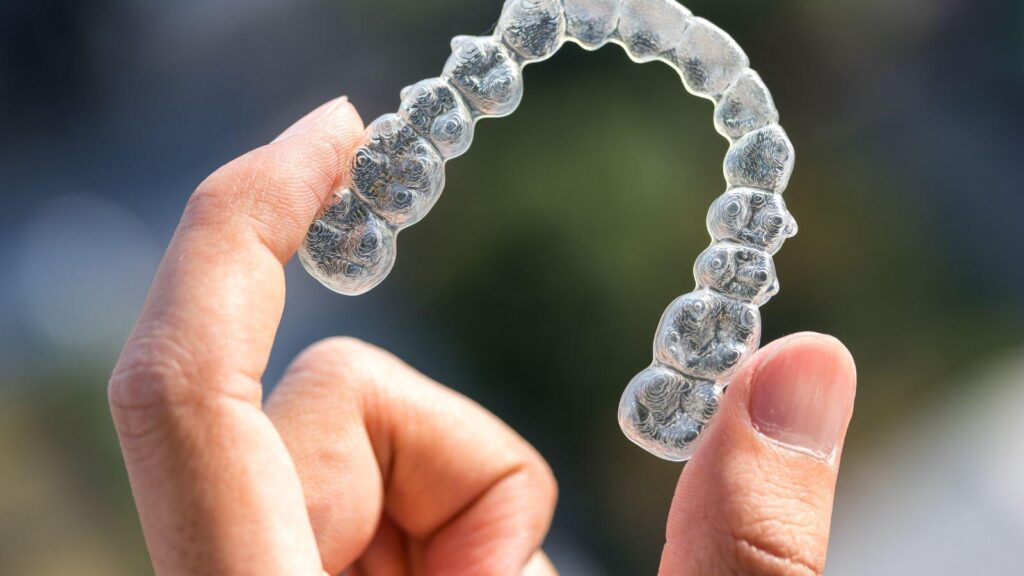
Planning invisalign in Honolulu before a wedding, graduation, or reunion? You can expect visible changes within weeks and meaningful alignment in three to six months for many cases.
Final results often take closer to 12–18 months depending on complexity and how consistently you wear your trays. If you need noticeable improvement for a specific date, aim to start at least 3–6 months early for minor corrections and 12+ months for moderate to complex shifts.
This post will walk you through the treatment phases, local Honolulu timing realities, how to prepare your mouth and schedule, and practical steps to speed safe progress. You’ll learn which variables change the timeline, how to coordinate appointments with island providers, and what to expect on the day of your event so your smile looks its best.
Table of Contents
ToggleUnderstanding Invisalign Treatment Phases
You will move through three clear stages: evaluation and planning, fabrication of your custom aligners, and the active aligner-wear period. Each stage has predictable timeframes and specific tasks you must complete to stay on schedule.
Initial Consultation and Assessment
At your first visit, the provider in Honolulu will review your medical and dental history and take digital scans or impressions. Expect intraoral photos, X-rays if needed, and a discussion of goals—whether you need minor crowding correction or bite changes for an event.
The clinician evaluates case complexity and estimates duration. Simple spacing or minor rotations often qualify for short timelines; significant bite correction or jaw alignment usually adds months.
Ask about local provider availability for the number of visits you’ll need before your event. Cost estimates, insurance or HSA use, and financing options are reviewed here.
Confirm how quickly the practice can start—same-week scans are common in larger Honolulu clinics. Smaller offices may schedule scans and planning over 1–2 weeks.
Custom Aligner Creation
After scans, your case gets uploaded to the aligner lab and mapped with a ClinCheck (digital treatment plan). You’ll see a staged 3D preview of tooth movements and the projected number of aligners.
Changes requested here can add 1–2 weeks. Production typically takes 1–3 weeks once you approve the plan.
If you live in Honolulu, factor in any shipping time from the lab. Most major providers ship directly to the clinic within a few days, but allow up to an extra week for logistical delays.
You may receive all aligners at once or in several batches. Ask whether the practice provides chewies, attachments, or IPR (interproximal reduction) at delivery and whether an expedited production option exists if your event date is close.
Active Alignment Period
You will wear aligners 20–22 hours daily, swapping sets usually every 1–2 weeks per your provider’s protocol. Expect visible changes in 4–6 weeks.
Meaningful progress toward a big-event smile often requires 3–6 months for minor cases. Follow-up visits commonly occur every 6–10 weeks to check fit, place or remove attachments, and assess staging.
Noncompliance (less wear time, missed visits) is the biggest cause of delay. Track wear with reminders and keep aligners clean to prevent staining before your event.
Refinements may be necessary after the initial series; these add several weeks to months. Discuss contingency plans with your Honolulu provider—express treatment, limited pre-event refinements, or temporary cosmetic options if deadline nears.
Realistic Timelines for Noticeable Results in Honolulu
You can expect visible changes within months, not weeks. The exact timing depends on how much movement your teeth need, how consistently you wear aligners, and local provider availability.
Below are concrete timelines for minor through moderate cases and factors specific to Honolulu that often affect pacing.
Typical Duration for Minor Adjustments
If you need small fixes—closing a single gap, correcting slight crowding, or rotating one or two teeth—many patients notice visible changes within 6–10 weeks. Clinically meaningful alignment often appears by months 2–4 when you wear aligners 20–22 hours daily.
Expect a short overall treatment length of about 3–6 months for these cases. You’ll still need follow-up scans or photos every 6–10 weeks so your clinician can confirm tracking and issue refinements.
Expected Timelines for Moderate Corrections
For moderate issues—multiple gaps, moderate crowding, or mild bite shifts—noticeable progress usually shows between 3–6 months. Full treatment commonly takes 6–12 months, depending on tooth movement complexity and whether you need attachments or interproximal reduction (IPR).
Plan for appointments every 8–12 weeks for monitoring and possible mid-course corrections. If you require elastics for bite correction, you must use them consistently; otherwise progress can stall.
Factors such as previous dental work, periodontal health, or missing teeth can add weeks to the timeline.
Honolulu-Specific Factors Impacting Treatment Speed
Provider scheduling: Honolulu has a limited number of Invisalign-certified specialists compared with larger mainland cities. Initial consult-to-start wait times may be 2–6 weeks during busy seasons.
Travel and follow-up logistics: If you split time between islands or travel frequently, coordinate appointments in advance. Missed in-person checks can lead to delayed refinements and slower progress.
Lifestyle and humidity: High humidity doesn’t affect tooth movement. Honolulu’s active outdoor lifestyle means you must plan for aligner care when swimming or eating outdoors to avoid missed wear time.
Insurance and lab turnaround: Local labs and shipping for refinements typically add 1–3 weeks compared with faster mainland logistics. Factor this into any event deadline.
Preparing for a Big Event While Using Invisalign
Plan aligner timing, manage any short, temporary removals responsibly, and keep a simple oral-care routine so your teeth stay on track and look their best for photos and speeches.
Planning Aligners Around Event Dates
Talk with your Honolulu provider at least 3–6 months before the event if you want visible progress or refinements completed in time. Ask for a projected tray schedule and any predicted refinement phase.
Request digital photos or a ClinCheck timeline so you can see expected tooth positions by specific dates. If your event is within the first 1–2 months of treatment, expect minimal change.
Aligner wear still prevents setbacks, so maintain 20–22 hours/day. If you need faster cosmetic results, ask about temporary tooth-colored bonding for gaps or polishing for visible edges.
Temporary Removal Considerations
You can remove aligners for short events, but limit removals to mealtimes and brief photo periods to preserve treatment. Removing aligners for more than a few hours increases relapse risk and may shift the schedule; keep total daily out-time under 2 hours whenever possible.
Carry a clean case, a travel toothbrush, and a small mirror. If you must remove aligners for a ceremony or portrait, pop them back in immediately after to avoid unwanted tooth movement.
Discuss an approved short removal plan with your dentist to document any exceptions and avoid surprises at checkups.
Short-Term Oral Care Best Practices
Rinse and brush before reinserting aligners to prevent staining and odor. Use a soft brush and non-abrasive toothpaste to clean teeth; then brush aligners gently with a clear, fragrance-free soap and cool water.
Pack a kit: travel toothbrush, fluoride toothpaste, floss, interdental brush, aligner case, and bottled water. After eating anything staining—coffee, curry, or soy sauce—rinse, brush, or at minimum swish water before putting aligners back in.
If you notice soreness before the event, use orthodontic wax and acetaminophen as needed. Contact your provider if pain persists.
Variables Affecting Your Invisalign Timeline
Expect three main influences: the condition of your teeth and gums, how complex your alignment issues are, and how closely you follow the daily wear plan. Each factor changes how quickly your teeth move and whether your provider needs to add refinements or attachments.
Personal Oral Health and Age
Your gums and jawbone health directly affect how fast teeth move. If you have untreated gum disease, active cavities, or a history of periodontal issues, your dentist will pause or delay orthodontic work until those are addressed.
That can add weeks to months before aligners start. Bone density and metabolism also matter.
Younger patients typically experience quicker tooth movement because their bone remodels faster. If you’re over 40, expect slower progress and possibly longer total treatment time.
Your provider may order X-rays to check bone levels and recommend periodontal treatment or bite adjustments before continuing. Smoking, certain medications (like some osteoporosis drugs), and systemic conditions such as uncontrolled diabetes can slow remodeling too.
Tell your provider about prescriptions and health history so they can set a realistic timeline and adjust monitoring.
Level of Misalignment
Simple alignment issues — mild crowding, small spacing, or minor rotations — often resolve in 3–6 months with clear aligners. Moderate cases that require tooth tipping, moderate rotations, or bite corrections typically need 9–12 months.
Severe cases with large rotations, significant bite changes, or jaw position corrections commonly take 12–24 months and may require attachments, elastics, or even staged treatment. Your provider will classify your case at the initial scan and explain expected stages: initial alignment, intermediate refinement, and final detailing.
Each stage can add trays and visits. If your plan requires tooth extractions or interproximal reduction (IPR), expect additional time for healing and stabilization.
Compliance With Wear Schedule
Invisalign works only when you wear aligners as prescribed — typically 20–22 hours per day. Skipping hours or nights slows tooth movement and compounds into delayed tray changes and extra refinement sets.
If you routinely wear aligners fewer than 20 hours, plan on treatment extending by weeks or months. Follow these practical rules: change trays on the provider’s schedule, store aligners in their case, and clean them daily.
Use a timer or app to track wear time if you struggle. Missing appointments or losing trays also interrupts progress; replacing a lost tray can require a new impressions or a re-scanned plan, adding time and cost.
Maximizing Results Before Your Event
Focus on clear, timely communication, realistic plan changes, and short-term cosmetic options to improve appearance quickly. Prioritize actions that fit a Honolulu schedule: booking local specialist visits, confirming lab times, and planning aligner wear during travel.
Effective Communication With Your Orthodontist
Tell your orthodontist the event date and any non-negotiable travel or work days right away. Ask for a written timeline showing expected tooth positions at key checkpoints (4 weeks, 8 weeks, and the event).
Confirm how many in-person visits are required and whether telehealth check-ins are acceptable. Honolulu specialists often coordinate with mainland labs, so clarify any shipping windows that could delay trays.
Request explicit compliance metrics: how many hours per day they expect you to wear aligners, what to do if you miss days, and when to switch to the next tray if you travel. Get contact details for emergency issues (sore attachments, broken aligner) and confirm weekend/after-hours coverage in Honolulu’s time zone.
Adapting Your Treatment Plan
Ask whether the orthodontist can front-load cosmetic movements that most affect your smile frame—like midline correction or anterior alignment—before less-visible adjustments. Some practitioners can design “event-focused” setups that prioritize the upper front six to eight teeth for early improvement.
Discuss the feasibility and risk of shortening aligner stages (e.g., 7–10 days per tray instead of 14). Only accept this if your provider confirms it won’t compromise tooth health or require more refinements.
Clarify potential need for refinements and how long refinements take locally. If you must pause treatment for travel, request written instructions for safe carry and wear of current tray, and an explicit protocol for resuming promptly after return.
Supplemental Cosmetic Options
Consider short-term cosmetic procedures that complement aligner progress and produce immediate results. Options include professional whitening (single-session in-office gels), composite bonding for small chips or shape tweaks, and temporary veneers for event photos.
Ask your dentist to coordinate timing: schedule whitening at least 1–2 weeks before the event to allow sensitivity to subside and bonding to follow aligner changes. Confirm that bonding or veneers won’t interfere with ongoing aligner fit; some treatments require a brief pause or modified attachment plan.
Request before-and-after mockups or digital previews when possible. That lets you choose the least invasive option that achieves the look you want without delaying your Invisalign schedule.
Local Insights: Honolulu Orthodontic Resources
You can find multiple orthodontic practices across Honolulu, Aiea, and nearby suburbs that offer Invisalign and traditional braces. Look for board-certified orthodontists and providers with clear-aligner experience to improve predictability for a short timeline.
Many local practices list Invisalign as a service and offer free or low-cost consultations. Use patient reviews, provider tiers, and membership in organizations like the AAO to compare experience and outcomes before booking.
Consider logistics: some clinics are inside larger shopping centers (for example, offices in Ala Moana and Royal Kunia), which can make parking and timing easier on a busy event schedule. Choose a location with flexible hours or weekend availability if you need rapid starts or last-minute adjustments.
Quick checklist to evaluate local options:
If timing is tight, ask practices about expedited workflows, short-term cosmetic options (like limited aligner sets), or coordination with your event date. Your orthodontist can outline realistic expectations specific to your bite, treatment goals, and the local practice’s scheduling.
What to Expect on the Day of Your Big Event
If you wear your aligners as instructed, you can usually remove them briefly for photos, speeches, or eating without affecting long‑term progress. Plan to remove them only for short periods — try to keep total removal under 2 hours if possible.
Your teeth may feel slightly different that day if you’ve just switched to a new tray; mild pressure or tenderness is normal and usually fades within a few hours. Bring a small dental kit: aligner case, travel toothbrush, toothpaste, floss, and a bottle of water.
For pictures, clear aligners are minimally visible, but they can cause a faint sheen in flash photography. Practice smiling with and without aligners beforehand so you know which look you prefer for portraits.
If you need to remove aligners for an extended meal, store them in their case, rinse them with cool water, and brush before reinserting. Avoid hot beverages while wearing aligners to prevent warping.
Carry your orthodontist’s contact or after‑hours number if something urgent happens, such as an aligner cracking or sharp edge causing irritation. If you encounter unexpected soreness, an over‑the‑counter pain reliever and orthodontic wax can provide quick relief.
Consider timing: if your event is in Honolulu, factor in travel and humidity when packing your kit. Keep aligners out of direct heat and sunlight to maintain fit and appearance.
Long-Term Smile Maintenance After Your Event
Keep wearing your retainer as instructed; it’s the single most important step to preserve results. Most providers recommend full-time wear for the first few months, then nights-only indefinitely.
Follow your Honolulu provider’s plan. Schedule regular check-ups every 6–12 months to monitor stability and oral health.
These visits let your clinician spot minor shifts early and adjust retainers if needed. Protect your retainer and replace it when worn or cracked.
Consider a backup retainer stored in a labeled case so you’re not left without one during travel or while on Oahu. Maintain daily habits that support alignment: brush twice, floss daily, and avoid hard, sticky foods that stress teeth.
If you use a removable retainer, clean it with a nonabrasive solution to prevent buildup and odor. Travel can interrupt routines, so pack a small oral care kit and your retainer case when going to events around Honolulu or neighboring islands.
If you lose a retainer while away, contact your provider promptly. Many clinics can expedite a replacement or offer temporary solutions.
Watch for gradual changes—tightness when putting in the retainer or new gaps—and report them. Early intervention often prevents more involved correction later.