You can get a custom, natural-looking crown in a single visit using digital CEREC technology, saving you multiple trips and temporary restorations. Same-day crowns in Anna, TX give you fast, precise results that fit your schedule while delivering durable, lifelike restorations.
If you want fewer appointments, less time with a temporary crown, and a quicker return to eating and smiling confidently, this article breaks down the main advantages you’ll notice—time savings, lasting strength, personalized fit, a better overall experience, and what to consider when choosing a provider in Anna, Texas.
Keep this guide handy as you weigh cost, insurance coverage, and the aftercare steps that help your crown last for years.
Table of Contents
ToggleUnderstanding Same-Day Dental Crowns
Same-day crowns use digital scanning, in-office milling, and tooth-colored ceramics to replace or restore damaged teeth in a single visit. You’ll see how the technology, material choices, and procedural steps work together to give a precise, durable result without waiting weeks.
Modern Technology Used in the Process
Dentists scan your mouth with an intraoral scanner to create a high-resolution 3D model of the prepared tooth and occlusion. The digital model eliminates messy impressions and captures margins that improve fit.
Computer-aided design (CAD) software lets the dentist design the crown chairside while you wait. The design transfers to an on-site milling unit that carves the restoration from a ceramic or composite block in about 10–30 minutes.
Some clinics add a sintering furnace or staining/glazing oven to finish strength and shade before placement. The workflow reduces lab dependence and gives you a predictable, measured result in one appointment.
Types of Materials Available
Most same-day crowns use high-strength ceramics such as monolithic zirconia or lithium disilicate (e.max). Zirconia offers excellent durability for posterior teeth and bridges; lithium disilicate provides superior translucency for front teeth.
Composite blocks are an option for temporary or lower-cost same-day crowns, but they wear faster and stain more easily than ceramics. Shade-matching systems and in-office glazing let dentists fine-tune color and surface texture to blend with adjacent teeth.
Material choice depends on location in the mouth, bite forces, aesthetic needs, and budget. Your dentist will recommend the best material based on those clinical and cosmetic factors.
Step-by-Step Procedure Overview
- Examination and preparation: The dentist examines X-rays, removes decay or old restoration, and shapes the tooth for a crown. Local anesthesia minimizes discomfort.
- Digital scan: An intraoral scanner captures the prepared tooth and opposing teeth in a few passes. The scan takes minutes and verifies margins electronically.
- Design: Using CAD software, the dentist designs the crown considering occlusion, contacts, and esthetics. You can often view and approve the proposed shape.
- Milling and finishing: The milling unit fabricates the crown from a ceramic/composite block. After milling, the crown is trimmed, stained, glazed, and, if required, sintered to reach final strength.
- Try-in and cementation: The dentist checks fit, adjusts contacts and bite, then bonds or cements the crown permanently. Post-op instructions cover sensitivity, hygiene, and what to avoid for 24–48 hours.
Time Efficiency and Convenience
Same-day crowns let you complete a crown restoration in one visit, avoid temporary restorations, and return to normal activities quickly. You save time on appointments and reduce the number of office visits that interrupt work, school, or family obligations.
Single Appointment Restoration
You can arrive with a damaged or decayed tooth and leave the same day with a permanent crown fitted and cemented. Digital scanning captures precise tooth geometry in minutes, CAD software designs the crown, and an in-office milling unit fabricates the restoration—usually within 1–2 hours depending on complexity.
This workflow removes the need for lab turnaround times that typically add weeks to traditional crown treatment. You also avoid repeat preparation appointments and multiple anesthesia events, which reduces chair time and total recovery from local numbing.
For anyone with limited time off work or tight schedules, a single appointment often translates into fewer missed hours and lower indirect costs.
Reduced Need for Temporary Crowns
Same-day crowns eliminate or greatly reduce reliance on temporary crowns that can come loose, break, or cause discomfort. Temporary crowns in traditional workflows require careful handling, extra visits if they fail, and sometimes additional adjustments that add minutes or hours to your overall treatment experience.
With an in-office permanent crown placed immediately, you avoid the taste, fit issues, and irritation that many patients report with temporaries. You also cut the risk of plaque buildup and sensitivity associated with provisional materials, which helps protect the prepared tooth during the critical days after preparation.
Minimal Disruption to Daily Schedule
You maintain your normal routines with fewer interruptions to work, childcare, or travel plans. One consolidated visit reduces parking, commuting time, and coordination of other appointments, making the overall process more efficient.
If you have time-sensitive commitments—meetings, flights, or caregiving duties—the predictability of a same-day appointment helps you plan the rest of your day more accurately. Many clinics in Anna, Texas, schedule these procedures to accommodate early or late slots, giving you flexibility to fit dental care into a busy week.
Long-Term Results and Durability
Same-day crowns in Anna, Texas use strong ceramic and zirconia materials and are milled to precise fit specifications, which directly affects how long they function and how they look over time.
High-Quality Materials for Lasting Performance
Your same-day crown is commonly milled from monolithic zirconia or high-strength lithium disilicate porcelain. These materials resist wear and maintain occlusal relationships, so your bite stays steady and comfortable longer than with lower-grade restorations.
The CAD/CAM milling process produces a precise marginal fit that reduces microleakage and lowers the risk of recurrent decay beneath the crown. Precise fit also lessens the need for rework or early replacement.
Ask your dentist which material they plan to use and why. For example, zirconia offers superior fracture resistance for back teeth, while lithium disilicate provides better translucency for front teeth.
Resistance to Cracks and Staining
Zirconia crowns resist chipping and crack propagation because the material’s crystalline structure deflects stress. That makes them a strong choice if you grind teeth or chew hard foods.
Porcelain-fused options and some glass-ceramics can show surface wear or staining over years, but modern glazed lithium disilicate provides good color stability when you avoid excessive smoking and staining beverages. Polishing and glazing during the same appointment improve initial stain resistance.
Maintain durability by wearing a night guard for bruxism, avoiding ice-chewing, and keeping routine dental cleanings. These simple steps preserve margins and surface finish, extending the service life of your same-day crown.
Personalized Fit and Aesthetics
You get a crown shaped to the millimeter and colored to blend with your smile. The process emphasizes accurate margins, proper bite contacts, and a color match that resists obvious differences under normal lighting.
Digital Precision for Custom Shaping
Your dentist scans your prepared tooth with an intraoral scanner, creating a high-resolution 3D model. That model captures margin lines, undercuts, and neighboring tooth contours so the crown fits snugly without overhangs or gaps.
Design software lets the clinician adjust occlusion and proximal contacts on screen. You benefit from controlled thickness in stress-bearing areas and smooth transitions at the crown-tooth interface, which reduces risk of leakage and sensitivity.
The crown is milled from a single ceramic block with uniform density, producing consistent strength and a precise internal fit. Because the restoration is fabricated and checked in the same visit, adjustments are minimal and you leave with a crown that seats fully and contacts adjacent teeth properly.
Natural Appearance That Matches Existing Teeth
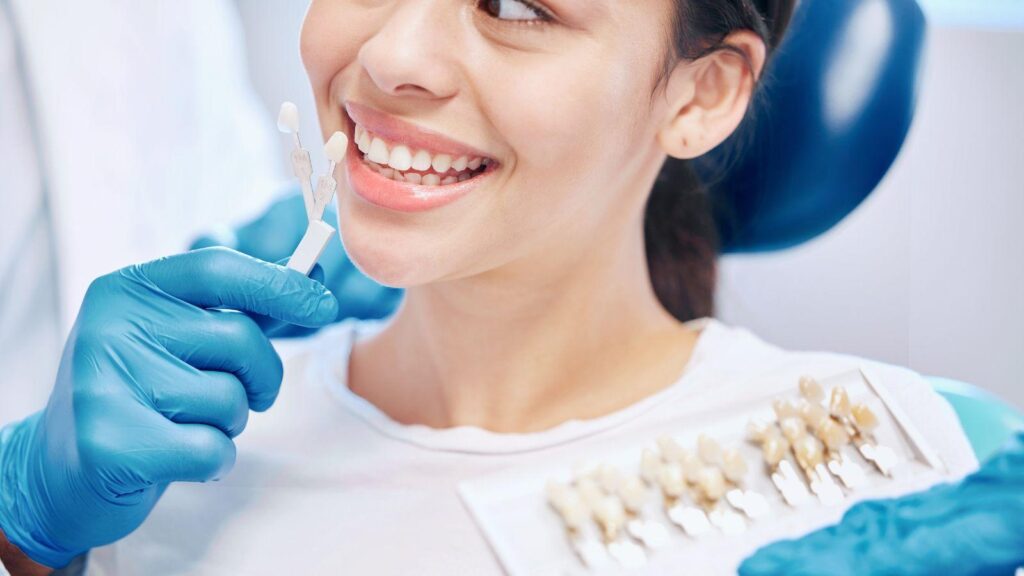
Your crown material—typically monolithic ceramic—provides translucency similar to natural enamel. The dentist selects shade tabs and can apply stain or glaze to fine-tune color, translucency, and surface texture for a seamless match.
Digital shade mapping and photo documentation guide color selection under standardized lighting, reducing guesses that cause mismatched restorations. Surface characterization such as subtle ridges and gloss levels helps the crown reflect light like surrounding teeth.
Because the restoration is completed in one appointment, you can view the crown in your mouth and request small changes to color or contour before finishing. This direct feedback improves aesthetic satisfaction and helps the crown look natural in daily situations like smiling or speaking.
Improved Patient Experience
Same-day crowns reduce chair time and eliminate temporary restorations, so you spend less time in the dental office and face fewer follow-up visits. Digital scanning and in-office milling streamline the process while maintaining precision.
Less Invasive Preparation
Same-day crown systems use digital intraoral scanners that capture highly detailed images of your tooth without traditional putty impressions. That reduces gagging, discomfort, and the need for repeated retakes.
Because the workflow is digital, your dentist can plan and mill the restoration to match the exact contours of the prepared tooth. This often requires removing less healthy tooth structure compared with some traditional workflows that rely on more aggressive shaping for impression accuracy.
You typically receive the final crown the same day, so you avoid wearing a temporary crown that can loosen, fracture, or allow bacterial leakage. That lowers the risk of sensitivity or additional decay while you wait for a lab-made crown.
Enhanced Comfort Compared to Traditional Methods
You sit for one streamlined appointment instead of multiple visits, which reduces travel, time off work, and repeated local anesthetic injections. Faster treatment minimizes overall numbness and post-operative soreness.
In-office milling produces a single definitive restoration, reducing the chance of ill-fitting temporaries that cause irritation, food trapping, or gum inflammation. The precise fit also helps maintain bite comfort and reduces the need for extensive post-placement adjustments.
Many practices use ceramic materials that are biocompatible and polished to a smooth finish, which limits plaque buildup and feels more natural against your tongue. That translates to less postoperative sensitivity and a quicker return to normal eating and speaking.
Choosing a Provider in Anna, Texas
Find a practice that matches your schedule, insurance, and comfort preferences, and that offers clear information about same-day crown technology and costs.
Selecting a Qualified Dental Practice
Look for a dentist who lists same-day crown systems (e.g., CEREC or equivalent) on their services page and who documents clinical experience with digital impressions and in-office milling. Confirm the dentist’s license and any advanced training in restorative dentistry through state dental board records or the practice’s about page.
Read recent patient reviews that mention crown fit, color match, and post-op sensitivity to gauge real outcomes. Ask the office about the materials they use (monolithic porcelain, zirconia, etc.), warranty or remake policies, and who does the shade matching. Request to see before-and-after photos of same-day crowns they’ve placed.
Importance of Localized Service
Choose a local practice that offers convenient hours, same-day appointments, and easy follow-up care to reduce travel time and treatment delays. Local clinics that provide membership plans or flexible payment options can make same-day crowns more affordable without surprise fees.
Confirm proximity to your home or workplace and check whether the office handles emergencies or has a reliable on-call system. A practice that coordinates with your regular dentist or specialist (if needed) ensures continuity of care for complex cases or future work on adjacent teeth.
Cost Considerations and Insurance Coverage
Same-day CEREC crowns often fall in the same price range as traditional lab-made crowns. Typical pre-insurance costs in the U.S. commonly range from about $1,000 to $1,800 per tooth, but local factors in Anna, Texas—like clinic fees and material choices—can shift that amount.
Insurance plans vary in how they cover crowns. Many dental insurers treat same-day crowns the same as traditional crowns and apply the same benefit limits and percentages.
Contact your insurer to confirm whether your plan lists any provider or lab restrictions that could affect coverage. You may face out-of-pocket differences for appointments and temporaries.
Same-day crowns eliminate temporary crown fees and reduce multiple-visit costs, which can lower indirect expenses such as missed work. Ask the office for a procedure estimate that separates lab, material, and chair time charges.
Consider payment options and in-network providers. Ask the dental office if they accept assignment of benefits, offer in-house financing, or partner with third-party medical credit plans.
Getting a written pre-treatment estimate helps you compare your expected patient responsibility across providers.
Estimate examples (approximate, not a guarantee):
- Typical crown cost before insurance: $1,000–$1,800
- Common insurance coverage: 50%–80% of allowed amount after deductible
- Out-of-pocket drivers: materials, complexity, provider fees, whether temporary crowns are needed
Request a benefits check from both the dentist and your insurer before treatment to avoid surprises.
Post-Procedure Care and Maintenance
You may feel mild sensitivity or soreness for 24–48 hours. Over-the-counter pain relievers and a soft diet help manage discomfort.
Avoid very hot or cold foods until sensitivity subsides. Brush twice daily with a soft-bristle brush and fluoride toothpaste.
Floss gently at the crown margins to prevent gum irritation. Good daily hygiene reduces staining and decay at the crown edge.
Avoid hard, sticky, or very chewy foods for the first week to let the crown settle and the cement fully cure. If you grind or clench your teeth, ask your dentist about a night guard to protect the crown from excessive forces.
Attend the follow-up appointment your dentist schedules to confirm fit and bite alignment. Report persistent pain, looseness, or biting that feels off — these signs may indicate adjustment or recementing is needed.
Regular dental checkups and professional cleanings every six months help catch problems early and extend the crown’s life.
Quick care tips
- Immediate: soft foods, avoid extremes in temperature
- Daily: brush, floss, fluoride rinse if recommended
- Long-term: routine dental visits, consider a night guard if you grind
If you notice chips, cracks, or a loose crown, call your dentist promptly to avoid further damage or infection.