Missing teeth can change how you eat, speak, and feel about your smile. Choosing between dental implants and dentures in Cleveland matters for your long-term oral health and daily comfort.
If you want the most stable, long-lasting solution and you’re a good candidate for surgery, dental implants typically offer better function and preserve bone. If you need a lower-cost, non-surgical option or have health limits, dentures in Lyndhurst, Ohio can still restore appearance and basic chewing ability for patients in the greater Cleveland area.
You’ll learn how each option differs in procedure, recovery, longevity, aesthetics, and local cost factors. This guide breaks down medical suitability, expected outcomes, and Cleveland-specific cost and support resources.
Table of Contents
ToggleUnderstanding Tooth Replacement Options
You need durable chewing function, predictable appearance, and a plan that fits your medical and financial situation. Below are the main choices, how each works, and what to expect for treatment time, maintenance, and outcomes.
What Are Dental Implants?
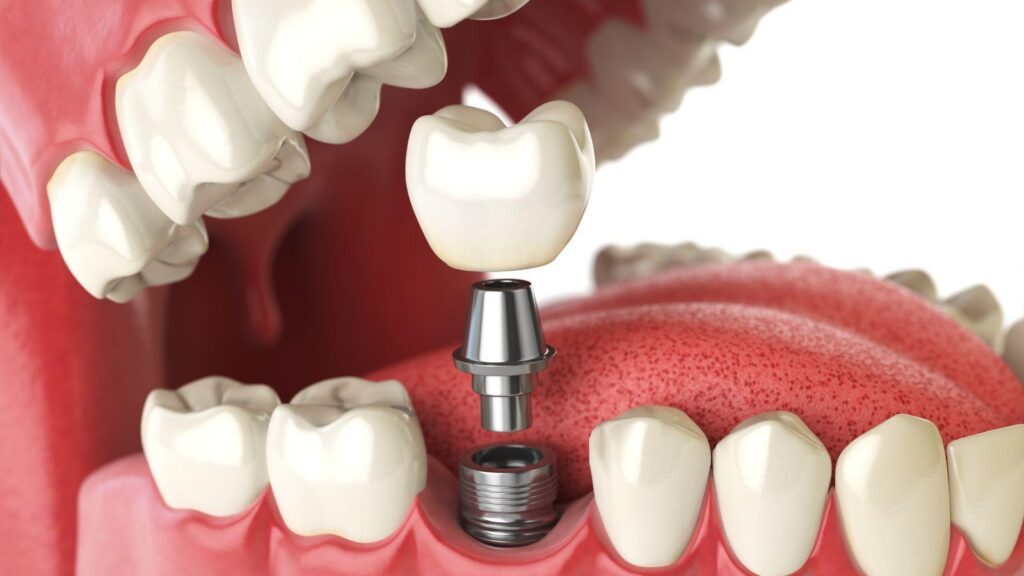
Dental implants are titanium posts surgically placed into your jawbone to act like tooth roots. After placement, the implant integrates with bone (osseointegration) over several months, creating a stable foundation for a crown, bridge, or full-arch prosthesis.
You can get a single implant to replace one tooth or multiple implants to support fixed or removable prostheses. Benefits include strong bite force, prevention of bone loss at the implant site, and natural appearance.
Surgery and healing require time and good bone volume; bone grafting may be needed if you have significant bone loss. Costs are higher up front compared with dentures, but implants typically last longer when you maintain good oral hygiene and see your dentist regularly.
Medical considerations include diabetes control, smoking, and certain medications that affect bone healing.
What Are Dentures?
Dentures are removable prosthetic teeth that sit on your gums and are held by suction, adhesives, or clasps. They replace missing teeth when implants are not an option or when cost and simplicity are priorities.
Full (complete) dentures replace all teeth in an arch; partial dentures replace several teeth and clasp to remaining natural teeth. Dentures restore facial support and improve speech and chewing compared with missing teeth, but chewing efficiency is lower than with natural teeth or implants.
Dentures require periodic relining or replacement because your jawbone and gums change shape over time. Daily care includes cleaning, overnight soaking for most types, and regular dental visits for adjustment.
Expect an adjustment period for fit and speech. Adhesives can help but do not fully replicate the stability of implants.
Types of Dentures Available
- Complete (Conventional) Dentures: Made after teeth removal and healing, usually delivered 8–12 weeks later.
- Immediate Dentures: Placed the same day teeth are extracted to avoid a toothless period; require frequent adjustments as tissues heal.
- Partial Dentures: Metal or acrylic framework with replacement teeth; clasp to remaining teeth and are removable.
- Flexible Dentures: Made from pliable resin for improved comfort and aesthetics in certain partial cases.
Each type differs in cost, stability, and maintenance needs. Conventional dentures tend to fit better long-term than immediate dentures once healing is complete.
Partial dentures preserve adjacent tooth spacing but require careful hygiene to avoid decay on supporting teeth.
Implant-Supported Dentures
Implant-supported dentures attach to two or more implants and can be either removable (overdentures) or fixed (hybrid prostheses). They dramatically increase stability compared with conventional dentures and restore more chewing efficiency.
Typical options: two-implant overdenture (commonly used for lower jaw), four or more implants for a fixed full-arch bridge, and “All-on-4” or similar protocols that angle posterior implants to maximize bone use. These solutions reduce bone resorption by transmitting functional forces to the jawbone.
You must undergo implant surgery and a healing period, and you may need bone grafting. Costs sit between conventional dentures and multiple single-tooth implants.
Maintenance includes routine dental visits, prosthesis cleaning, and occasional screw or clip adjustments.
Key Differences in Procedure and Recovery
You will see clear contrasts in how each option is placed, how long treatment takes, and what daily care and pain management look like after the procedure. Expect implant treatment to be surgical and staged.
Expect dentures to be faster but to require adjustment and ongoing maintenance.
Surgical Process Overview
Dental implants require oral surgery to place titanium posts into your jawbone. Your surgeon will assess bone quality with CT scans, perform extractions if needed, and place implants under local anesthesia or IV sedation.
Bone grafting may be added when bone is insufficient; that adds another surgical site and healing time. Removable dentures involve no bone surgery for most cases.
Your dentist will take impressions, sometimes after extractions, and provide immediate or delayed dentures. Implant‑supported overdentures do combine both approaches: fewer implants (commonly 2–4 in the lower jaw) anchor a denture to reduce movement.
Each surgical step should be discussed with your provider, including anesthesia type, antibiotic use, and risks like infection or implant failure.
Timeline for Treatment Completion
Implants usually take months from start to finish. After implant placement you typically wait 3–6 months for osseointegration (bone to fuse to the implant) before attaching the final crown or overdenture.
If bone grafts are required, add 3–9 months. Single-tooth implants may be faster than full-arch reconstructions, but plan on multiple visits over several months.
Dentures can be completed within weeks to a few months. Immediate dentures can be delivered the same day as extractions, though relining is often needed after soft‑tissue healing (4–12 weeks).
Conventional dentures made after healing require fewer adjustments and may take 4–8 weeks from impressions to delivery. Implant‑retained dentures sit between these timelines depending on whether implants are placed simultaneously.
Recovery Expectations for Each Option
After implant surgery expect swelling, bruising, and mild-to-moderate pain for 2–7 days, controlled by prescription or OTC pain relievers. Eat soft foods, avoid smoking, and follow oral hygiene instructions to protect osseointegration.
You will have follow‑up visits to monitor healing and to place the abutment and final restoration. Returning for these visits is critical to success.
With dentures expect sore spots and increased saliva during the first 1–4 weeks as tissues adapt. You may need multiple adjustment visits to relieve pressure points and improve fit.
Nightly denture soaking and routine denture hygiene are ongoing requirements. If you choose implant‑retained dentures, expect a hybrid recovery: surgical healing for implant sites plus short-term prosthesis adjustments.
Long-Term Functionality and Performance
Dental implants generally preserve jaw function and bone. Dentures restore appearance and basic function but can accelerate bone loss and need more frequent adjustment.
Chewing Efficiency and Comfort
You’ll notice implants restore bite force close to natural teeth. Titanium implants fuse with bone (osseointegration), allowing more even pressure distribution and stronger chewing—useful for tougher foods like steaks, raw vegetables, and nuts.
That stability reduces sore spots and the need to avoid certain foods. With well-fitted dentures you can chew softer and cooked foods comfortably, but upper and lower dentures rarely match implant bite strength.
Many denture wearers report slippage during chewing, especially with lower dentures, and may require adhesives or relining to maintain fit. Expect progressive changes as the jawbone resorbs, which lowers chewing efficiency over time.
Speech and Natural Feel
Implants function like rooted teeth, so they feel and behave more like your original teeth. You’ll likely speak without the clicking or movement that some denture wearers experience.
Because implants sit in the jaw, they maintain lip and cheek support, preserving facial contours that affect speech resonance and clarity. Dentures can feel bulky at first and may interfere with certain consonants (s, sh, f).
You can adapt with practice, but persistent movement or poor fit will continue to affect pronunciation. Upper dentures typically provide better stability than lower dentures, yet both can change how coordinated your tongue and lips form sounds, particularly as fit changes over months and years.
Daily Maintenance Requirements
Implants require daily brushing and flossing like natural teeth, with occasional professional cleanings and periodic check-ups to monitor the implant and surrounding bone. You should use interdental brushes or floss designed for implants and avoid chewing extremely hard objects that could stress the prosthetic crown or abutment.
Dentures need nightly removal, soaking, and thorough cleaning to prevent stomatitis and odor. You’ll also clean the mouth and gums under the denture each day.
Expect periodic professional relines or replacements every 5–8 years depending on bone changes and wear. If you use adhesives, follow product instructions and reassess fit regularly with your dentist.
Health Considerations and Suitability
You should weigh jawbone condition, overall medical status, and expected longevity when choosing between implants and dentures. These factors determine whether you qualify for implants, need preparatory procedures, or should opt for removable dentures.
Bone Health and Jaw Structure Requirements
Dental implants need sufficient jawbone volume and density to anchor titanium posts securely. If you have significant bone loss from long-term tooth absence or periodontal disease, your dentist may recommend bone grafting or sinus lift procedures before implant placement.
Evaluate bone using a CBCT scan; the scan reveals bone height, width, and quality. Implants typically require at least 6–8 mm of bone height and 4–6 mm width in many cases, though implant type and position affect exact needs.
Removable dentures do not require bone grafts, but they sit on the gums and can accelerate bone resorption over time. If you seek implant-supported dentures, fewer implants (e.g., 4–6 for an arch) may suffice with grafting or tilted implant techniques.
Discuss realistic expectations for healing time, additional surgeries, and costs tied to bone augmentation.
Medical Factors Affecting Eligibility
Certain medical conditions alter healing and infection risk, which affects implant candidacy. Poorly controlled diabetes, heavy smoking, active chemotherapy, or immunosuppression increase implant failure risk and may push you toward dentures instead.
Medications such as bisphosphonates or antiresorptives raise concerns about osteonecrosis after oral surgery; disclose these to your provider. Cardiovascular conditions and clotting disorders also require coordination with your physician before surgical procedures.
Age alone is not a disqualifier; systemic health matters more. Your dentist will review medical history, perform blood sugar assessment if needed, and consult with specialists when necessary to determine the safest option for you.
Longevity and Durability
Dental implants fuse with bone (osseointegration) and often last 15–30+ years with proper care. Individual crowns or full-arch implant prostheses may require periodic maintenance—screw tightening, replacement of worn prosthetic teeth, or repairs—but the implant fixtures themselves generally remain stable.
Traditional dentures typically last 5–8 years before needing relining or replacement due to material wear and ongoing bone loss. They are more prone to fractures and require daily removal and cleaning.
Implant-supported dentures combine greater stability with easier chewing and can extend prosthesis lifespan compared with conventional dentures. Factor in maintenance: implants need meticulous oral hygiene and regular dental visits; dentures require acrylic repairs and periodic adjustments.
Consider your willingness to attend follow-ups and perform home care when judging durability.
Aesthetic Outcomes and Personal Confidence
You can expect differences in how each option looks, feels, and affects your facial appearance. Consider color-matching, tooth shape, and long-term changes to jawline and smile stability when deciding.
Appearance and Customization
Dental implants are fixed to titanium posts and support individual crowns or full-arch prostheses. That lets your dentist match tooth shape, size, and porcelain translucency closely to nearby natural teeth.
Implants minimize visible gum gaps and allow for narrow tooth profiles when needed, so your smile can look more natural in close-up photos and speaking. Dentures replace multiple teeth on an acrylic or metal base that rests on gums.
Modern dentures can be highly customized for tooth shade and arrangement, but they may require thicker acrylic in some areas, which can slightly alter lip support or the visible gum line. Removable dentures can shift if not fitted or relined, which can affect appearance during laughter or talking.
Impact on Facial Structure
Implants stimulate the jawbone where roots used to be, helping maintain bone height and prevent gradual facial collapse. Preserving bone supports your lower face over years, reducing the risk of a sunken or shortened appearance around the mouth.
This benefit becomes more noticeable if you lose multiple posterior teeth or consider long-term tooth replacement. Dentures do not provide the same bone stimulation.
Over time, jawbone resorption can cause the ridge to thin, requiring frequent adjustments or relines and sometimes leading to a more collapsed jaw profile. Implant-supported dentures reduce that risk compared with conventional dentures because the implants provide anchorage and partial bone support, improving long-term facial stability.
Cost Analysis in Cleveland, Ohio
You’ll face higher upfront costs with implants but lower recurring expenses over time. Dentures cost less initially but require routine maintenance, occasional relines, and eventual replacement.
Initial Investment and Ongoing Costs
Dental implants in Cleveland typically run about $3,900–$4,200 per implant for 2026 estimates. Replacing a single tooth or doing an implant-supported bridge can add up quickly.
You’ll also pay for consultations and imaging (CBCT). Possible bone grafts, the abutment, and crown add several hundred to a few thousand dollars per site.
Traditional full dentures often cost significantly less up front. Basic sets in the Cleveland area may be a few hundred to a few thousand dollars.
Expect ongoing costs with dentures: routine adjustments and relines every few years. Replacement is needed every 5–10 years.
Implant-supported overdentures sit between these options in price. They cost more than dentures initially but use implants to reduce long-term wear and maintenance.
Insurance Coverage and Financing Options
Most dental insurance plans in Cleveland cover only a portion of denture costs. Coverage for implants is often limited or classified as elective.
Verify annual maximums and benefit years before scheduling treatment. Some Medicaid waivers and local programs may help with denture funding in certain cases—check eligibility locally.
Many Cleveland clinics offer financing, including in-house payment plans and third-party lenders like CareCredit. Ask about package pricing for full-arch cases and whether imaging, grafts, or temporary restorations are included.
Request a written estimate that itemizes one-time fees and expected recurring costs. This helps you compare true long-term expense.
Making an Informed Decision With Your Cleveland Dentist
Talk about your medical history, jawbone condition, timeline, and budget with your dentist. They can recommend either implants or dentures based on your specific needs.
Expect a focused exam and clear options that match your oral health and lifestyle needs.
Consultation and Personalized Assessment
Your first appointment should include a full oral exam and dental X-rays or CBCT scan. A review of your medical history—including diabetes, smoking, and medications—is important.
These details determine bone density and healing risk, which directly affect implant candidacy. The dentist will assess soft tissues, bite alignment, and remaining teeth.
They will decide between single implants, implant-supported dentures, or traditional dentures. The dentist should show you images and explain how each option will function day-to-day.
Ask for a treatment timeline that lists preparatory procedures like extractions or bone grafts. Request the number of visits and healing stages involved.
Request a written estimate that separates surgical, prosthetic, and follow-up costs. This allows you to compare options objectively.
Questions to Ask Before Choosing
Prepare questions that clarify long-term outcomes and practical maintenance. Key questions include: “Do I need bone grafting?” and “What is the expected lifespan of this prosthesis?”
Ask, “How many follow-up visits will I need?” Inquire about specific risks and success rates for your case.
Request to see before-and-after photos of similar Cleveland patients. Ask how the office handles complications and warranty coverage.
Confirm financing and insurance details. Ask whether the office coordinates with medical insurance for related procedures.
Check what payment plans exist and what typical out-of-pocket costs you should plan for during the first two years.
Cleveland Community Resources and Support
You can access local dental clinics that offer consultations, payment plans, and sliding-scale fees to help manage implant or denture costs. Many practices in Cleveland provide implant consultations and denture services; call ahead to confirm services and pricing.
Look for nonprofit and community health centers that offer reduced-cost dental care. These centers often handle exams, extractions, and referrals for implants or specialist care when needed.
Use patient support groups and online forums to hear real experiences from Cleveland residents who chose implants or dentures. Hearing others’ stories can help you set expectations for recovery time, comfort, and long-term maintenance.
Consider financing and insurance counseling available through some dental offices and independent organizations. They can explain coverage limits for implants versus dentures, and outline monthly payment options.
Quick reference
- Cleveland clinics: ask about implant-supported dentures and All-on-4 options.
- Community health centers: inquire about sliding-scale fees and referrals.
- Support groups: search local Facebook groups or forums for firsthand experiences.
- Financing help: request a cost breakdown and insurance check before committing.
You should contact multiple providers to compare treatment plans, timelines, and total costs. Doing so helps you choose the option that best fits your oral health needs and budget.