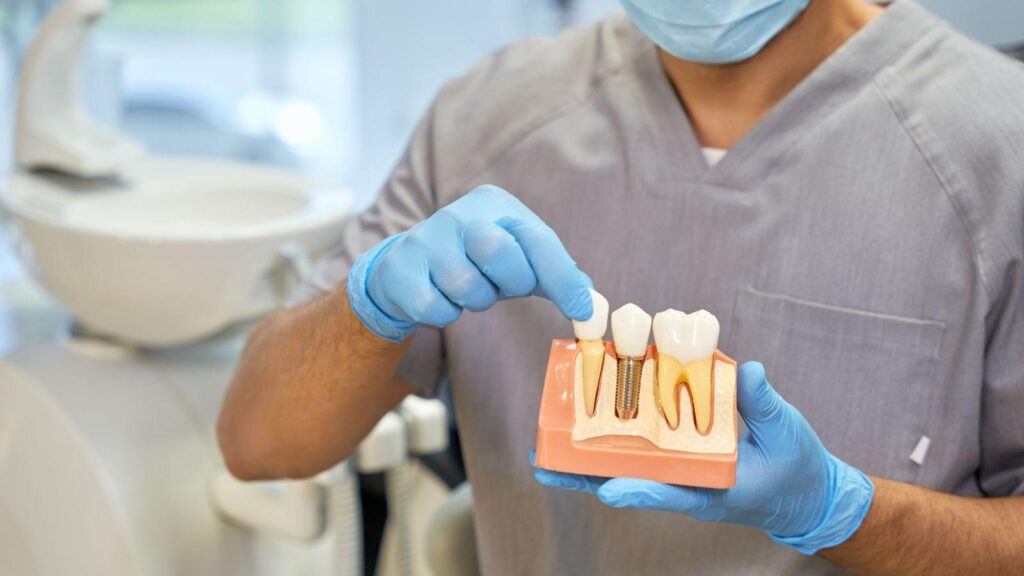
Choosing the right dentist in Minot, ND starts with matching your specific oral health needs to a practice that offers the services, experience, and patient support you expect.
Look for a dentist who communicates clearly about diagnoses and treatment options, accepts your insurance or offers transparent payment plans, and has strong patient reviews and a track record of relevant experience.
That combination makes routine care and unexpected visits easier to manage. You’ll want to evaluate credentials, technology, and the office environment to ensure quality care and comfort.
Pay attention to availability, emergency policies, and whether the team emphasizes preventive education. These factors shape your ongoing experience and long‑term oral health.
Table of Contents
ToggleUnderstanding Your Oral Health Needs
Know which routine services you need, whether you require specialty care, and what signs or preferences should guide your choice of dentist in Minot.
Identifying General Versus Specialized Dental Care
General dentistry covers preventive and basic restorative care you’ll use most often: cleanings, routine exams, digital x-rays, fluoride treatments, fillings, and simple crowns. If you and your family visit for twice-yearly hygiene visits, cavity treatment, or routine crown work, look for a family or general dentist that lists those services and accepts your insurance.
Specialized care includes endodontics (root canals), periodontics (gum disease treatment), oral surgery (extractions, implants), and orthodontics (braces or clear aligners). Choose a practice that either performs the specialty in-office or maintains clear referral relationships with local specialists in Minot.
Ask about coordination of care, expected timelines, and whether the office follows up after a specialist visit. Use this checklist when evaluating a practice:
- Services offered in-office vs. by referral
- Experience treating your age group (children, seniors)
- Equipment relevant to your needs (digital x-rays, CBCT for implant planning)
- Insurance and financing for anticipated procedures
Recognizing Warning Signs and Treatment Preferences
Watch for symptoms that require prompt attention: persistent tooth pain, swelling, bleeding gums, loose teeth, new sensitivity to hot or cold, or a broken restoration. These signs can indicate infection, advancing decay, or periodontal disease and should influence your choice of a dentist who provides emergency care and quick assessments.
Define your treatment preferences up front: do you prioritize conservative, tooth-preserving care, or are you seeking full-mouth rehabilitation? Specify preferences for sedation options, implant-based solutions, or metal-free restorations.
Ask the office how they document treatment plans and alternatives so you can compare approaches and costs. When contacting a practice, request example timelines and expected costs for a likely issue (e.g., root canal + crown, implant placement).
That concrete information reveals how the practice handles clinical decisions, communication, and patient financial planning.
Evaluating Professional Credentials
Check that the dentist holds an active North Dakota license, has relevant post-graduate training, and belongs to reputable professional groups. Confirming these facts helps you gauge clinical competence and ongoing education.
Verifying Licensure and Training
Use the North Dakota Board of Dentistry’s online verification to confirm an active license and any disciplinary history. Look for license number, issue and expiration dates, and notes about restrictions or past actions.
Ask the office about the dentist’s dental school and year of graduation. For specialized care—like endodontics or orthodontics—verify residency training or board certification in that specialty.
Request copies of continuing education certificates for procedures you may need, such as implant placement or sedation. If the practice lists advanced services, confirm the provider’s hands-on experience and the frequency they perform those procedures.
You can also check third-party sites for patient reports of complications or repeat referrals for specialty care.
Assessing Professional Affiliations
Professional memberships signal commitment to standards and continuing education. Check for affiliations with the American Dental Association (ADA), the North Dakota Dental Association (NDDA), or specialty organizations like the American Association of Orthodontists.
Membership alone doesn’t guarantee skill, so look for roles or recognitions within these groups—committee service, published articles, or conference presentations—indicating active engagement. Offices often display certificates or mention leadership roles on their websites.
Consider affiliations with local networks, such as Minot-area dental committees or hospital privileges, which can simplify referrals and emergency care. Confirm the dates of membership and any listed credentials to ensure they’re current.
Reviewing Experience and Areas of Expertise
Look for measurable experience and specific services that match your needs, such as family care, implants, or pediatric dentistry. Verify credentials, procedural volume, and whether the practice accepts new patients or offers after-hours support.
Importance of Years in Practice
Years in practice signal familiarity with common procedures and local referral networks. A dentist with 10–20+ years in Minot likely has handled a wide range of restorative and emergency cases and knows local specialists for complex needs.
Ask directly how many times a dentist has performed the procedure you need (e.g., root canals, implant placements). Track record matters more than a raw year count; a dentist who does many crowns weekly gains different skills than one who sees mostly cleanings.
Confirm active licensure and any disciplinary history through the North Dakota Board of Dentistry. Also check whether the practice documents outcomes and complication rates—those details show transparency and help you compare clinicians.
Special Skills and Treatment Options
Match the dentist’s technical skills to your planned care: cosmetic veneers, same-day crowns (CEREC), dental implant placement, or pediatric sedation all require different training. Look for certifications in implantology, orthodontics, or pediatric dentistry if those services are important to you.
Review the practice’s service list and ask whether procedures are done in-office or referred out. For advanced treatments, ask about continuing education hours, use of digital imaging (CBCT), and partnership with local labs—these affect accuracy and turnaround time.
If you have dental anxiety, check for sedation options and staff training in patient comfort. Also confirm which insurers they accept and whether payment plans or dental memberships are offered to fit your budget.
Assessing Patient Reviews and Community Reputation
Focus on patterns in recent reviews, verified patient comments, and what local residents say about wait times, staff friendliness, and treatment outcomes. Prioritize consistent, specific details over single-star anecdotes.
Interpreting Online Feedback
Look for trends across multiple platforms (Yelp, Google, Facebook) rather than single reviews. If several patients mention short wait times, clear cost estimates, or gentle pediatric care, those repeated points matter more than isolated praise or complaints.
Check review dates and responder behavior. Recent reviews show current practice standards; a dentist who replies professionally to negative feedback demonstrates accountability.
Note specifics: mentions of treatment types (implants, cleanings, emergency care) and outcomes matter more than vague adjectives. Weigh ratings with volume.
A 4.8 average from 200 reviews gives more confidence than a perfect 5.0 from three reviewers. Flag reviews that reference local circumstances—availability during winter, friendliness to military families, or experience with insurance plans common in Minot.
Seeking Recommendations from Locals
Ask neighbors, co-workers, or your family doctor for names and concrete examples. Request details: how long appointments took, whether staff handled insurance smoothly, and how post-procedure follow-up worked.
Tap community sources: local parenting groups, veterans’ organizations, and workplace social channels often share practical tips about pediatric care, affordable options, and emergency responsiveness. In Minot, pay attention to people who mention specific clinics by name and what procedures they had done.
When someone recommends a dentist, ask one clarifying question: what would they change about the experience? Their answer reveals small but important factors—scheduling flexibility, communication clarity, or office accessibility—that reviews may not show.
Examining Office Environment and Technology
Assess the clinic’s cleanliness, patient comfort, and the diagnostic and treatment technologies it uses. These factors affect infection risk, efficiency, treatment options, and how comfortable you’ll feel during visits.
Cleanliness Standards and Comfort
Look for visible cleaning practices: wipeable surfaces, sealed storage for instruments, and disposable barriers on chairs and light handles. Check that staff wear gloves and masks when appropriate, and that instruments are opened from sterile packaging in front of you when possible.
Evaluate waiting and treatment areas for comfort and privacy. Comfortable seating, clear signage, and a private consultation room matter if you need to discuss finances or sensitive health issues.
Observe restroom cleanliness and availability of hand sanitizer; these are small but reliable signals of overall hygiene. Ask about sterilization protocols directly.
Confirm they use an FDA-cleared autoclave, run biological spore tests regularly, and keep sterilization logs. If you have immunocompromised concerns, request details on air filtration, scheduling for high-risk patients, and surface-disinfection products used.
Modern Dental Equipment
Confirm the office uses digital X-rays and imaging like CBCT (cone beam CT) when needed, which reduce radiation and improve diagnostic accuracy for implants and complex cases. Digital records and intraoral scanners speed up treatment planning and reduce manual impressions.
Look for evidence of up-to-date treatment tools: high-speed handpieces with maintenance records, electronic apex locators for root canals, and CAD/CAM systems for same-day crowns. These technologies shorten treatment time and often improve fit and outcomes.
Ask how technology integrates with patient care. Inquire whether they use software for treatment previews, electronic appointment reminders, and secure online access to your records.
Also verify staff training on each device to ensure safe, competent use.
Considering Availability and Convenience
Check when the office is open, how easy it is to get there, and whether scheduling fits your work, school, or family needs. Prioritize practices that offer clear booking options, timely openings, and accessible locations near your home, workplace, or regular routes.
Office Hours and Appointment Scheduling
Look for office hours that match your weekly routine. Note early-morning, evening, or Saturday availability if you work standard daytime hours.
Confirm how long typical appointments run and whether the practice sets aside time for emergencies or same-week urgent visits. Ask what booking methods the office supports: phone, online portal, or text.
Online scheduling and automated reminders reduce no-shows and save you time. Check cancellation policies and typical wait times for new-patient versus routine visits.
If you need specialist care (e.g., implants or root canals), verify how quickly the practice can arrange referrals or in-house specialist appointments. For families, see whether the office coordinates multiple appointments on the same day to limit trips.
Location and Accessibility
Choose a location that minimizes travel time. Note proximity to major roads like US-83 or nearby neighborhoods such as Minot’s downtown or Burdick West if that matters for commute.
Consider parking availability and whether the office has dedicated patient parking. Evaluate physical accessibility for mobility limitations: ramps, wide doorways, elevators, and wheelchair-accessible restrooms.
If you rely on public transit, confirm nearby bus stops and typical transit times. Check whether the clinic’s building and signage are easy to spot, especially if you prefer not to navigate complex medical campuses.
If you’re comparing multiple offices, map drive times at your usual appointment hours to account for traffic.
Understanding Insurance and Payment Options
Know which plans the office accepts and what financing choices exist so you can estimate your out‑of‑pocket costs and avoid surprise bills. Ask for written estimates and verify network status before scheduling major work.
Accepted Insurance Plans
Call the dental office and provide your insurance ID number to confirm participation in your plan’s network. Most Minot practices accept major carriers; confirm whether they are in‑network or out‑of‑network because that status affects your reimbursement and deductible.
Ask specifically about:
- Covered services (preventive, restorative, crowns, implants)
- Annual maximums and remaining benefits
- Waiting periods for major procedures
Request a cost estimate for any non‑covered services and get preauthorization for treatments over several hundred dollars. Keep copies of estimates and communications for claims or appeals.
Flexible Financing Solutions
If insurance won’t cover the full cost, check whether the office accepts CareCredit, in‑office payment plans, or local bank financing. CareCredit often provides short‑term no‑interest options and longer-term plans; confirm interest rates and monthly payment amounts before enrolling.
Ask the practice about:
- Down payment requirements
- Length of payment plan and total interest
- Any third‑party fees or administrative charges
Compare clinic-provided plans to external credit options to find the lowest total cost. Get all financing terms in writing and schedule treatments only after you understand monthly payments and penalties for missed payments.
Meeting the Dental Team
You should meet people who will handle your care, explain treatments clearly, and respect your concerns. Look for staff who communicate directly, answer specific questions, and coordinate appointments efficiently.
Communication Style and Approachability
Pay attention to how the dentist explains procedures on your first visit. They should use plain language — for example, describe a crown by saying what it protects, how long it lasts, and the steps involved.
Ask a specific question like, “How many visits will this take?” and note whether the answer is direct and actionable. Watch verbal cues and body language.
A dentist who makes eye contact, pauses for your questions, and repeats key points shows they prioritize understanding. If you need sedation, insurance estimates, or a written treatment plan, request those items and see how readily they provide them.
Look for tools that support clear communication. Visual aids, intraoral photos, and printed estimates indicate a practice that prepares patients.
If they offer a patient portal or follow-up texts for appointment reminders, that reflects organized, patient-friendly communication.
Support Staff Professionalism
Assess the front-desk team for efficiency and courtesy from the first phone call. They should confirm your personal and insurance details, explain co-pays, and offer available appointment times without vague answers.
Note how they handle scheduling conflicts or insurance questions. Observe clinical assistants and hygienists for technical competence and patient respect.
They should explain cleaning steps and give clear post-care instructions, such as flossing technique or sensitivity management. Documentation of any allergies or medication changes is important.
Friendly but professional interactions suggest consistent training. Check how the team coordinates with the dentist.
A smooth handoff, shared treatment notes, and consistent messaging about next steps show the practice values teamwork. If the staff proactively follows up after procedures or sends care instructions via email, they likely maintain good patient communication standards.
Prioritizing Emergency Services and After-Hours Care
When a toothache, broken tooth, or swelling strikes, you need a dentist who can respond quickly. Check whether the practice offers same-day emergency appointments during office hours and what steps they take for urgent triage.
Ask about after-hours options before you need them. Some offices provide an on-call dentist or a 24-hour hotline, while others refer you to local emergency clinics.
Know which applies to your provider. Confirm the clinic’s typical response time for urgent calls.
Fast callbacks and clear instructions can reduce pain and prevent complications. Look for these specifics when evaluating a dentist:
- Same-day or next-available emergency visits
- After-hours phone line or on-call service
- Clear instructions for severe cases (when to go to the ER)
Consider cost and insurance for emergency visits. Ask about emergency fees, whether they accept your insurance for urgent care, and any low-cost options for uninsured patients.
Read patient reviews focused on emergencies and after-hours care. Real experiences reveal how reliably a dental office handles late-night problems and whether staff calm and guide patients effectively.
Exploring Preventive and Patient Education Programs
Look for a practice that emphasizes prevention as much as treatment. Preventive programs reduce the need for invasive procedures and help you maintain oral health between visits.
Ask whether the office provides routine screenings like oral cancer checks, sleep apnea screening, and necessary radiographs during comprehensive exams. These screenings catch problems early and are commonly included in quality preventive visits.
Check for patient education resources that match your learning style. Many practices offer printed handouts, videos, or one-on-one coaching to explain home care, fluoride use, and sealants for children.
Consider these program features when comparing offices:
- Regular recall system (reminders for cleanings and exams)
- Customized home-care plans (tailored brushing/flossing advice)
- Age-specific education (pediatric to geriatric guidance)
- Preventive treatments offered (cleanings, fluoride, sealants)
Evaluate staff communication during your visit. If the team explains procedures plainly and demonstrates techniques, you’ll likely get better support for day-to-day care.
If you have risk factors (smoking, diabetes, sleep issues), confirm the practice integrates that information into prevention planning. Personalized prevention addresses your specific risks and makes follow-up more effective.