If you’re weighing dental implants in Las Vegas, focus on what matters most: your overall health, bone support, and the right implant option for your lifestyle and budget.
Dental implants can restore chewing, speech, and confidence for many seniors, but success depends on a personalized assessment of medical history, jawbone condition, and realistic financial planning.
You’ll want to understand differences between single implants, full-arch solutions, and alternatives like dentures.
Age-related factors such as bone loss, chronic conditions, or medications can affect outcomes.
Expect a clear walk-through of the consultation, procedure specifics, recovery timeline, possible risks, and long-term maintenance. This will help you choose care that fits your needs in the Las Vegas area.
Choosing a practice experienced with senior patients matters. Look for specialists who offer comprehensive planning, financing options, and follow-up care tailored to older adults.
Table of Contents
ToggleUnderstanding Dental Implant Options for Seniors
You’ll learn which implant styles, medical and anatomical factors, and material choices most affect success, cost, and comfort for seniors in Las Vegas.
Focus on how each option matches your bone health, medical history, and daily needs.
Types of Dental Implants
Dental implants fall into several practical categories you should know.
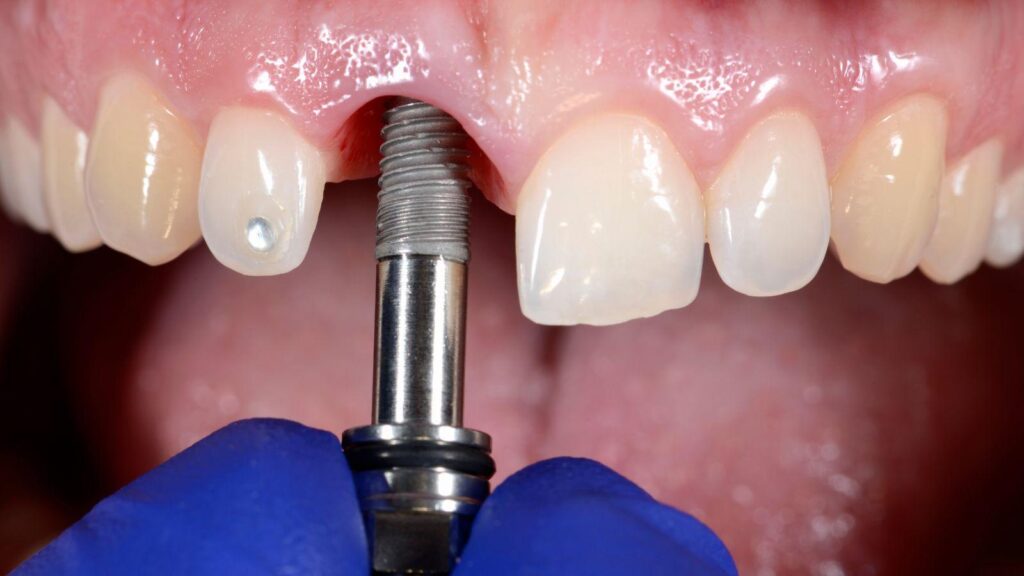
- Endosteal implants (titanium screws placed in the jaw) are the most common. They suit single-tooth replacement and full-arch restorations when you have adequate bone.
- All-on-4/All-on-6 uses four or six implants to support a full arch. They reduce the number of implants and can often avoid grafting, shortening treatment time.
- Mini implants are narrower and less invasive. They work well for stabilizing dentures or when bone width is limited, but they may not be ideal for heavy bite forces.
- Implant-supported overdentures attach to two or more implants, improving retention and chewing compared with conventional dentures while remaining removable for cleaning.
Consider procedural invasiveness, healing time, and long-term maintenance.
Ask your dentist about staged approaches (healing periods, temporary prostheses) and whether immediate loading is appropriate for your case.
Suitability for Aging Patients
Your candidacy depends on specific health and oral conditions, not age alone.
Evaluate systemic factors: controlled diabetes, osteoporosis therapy (bisphosphonates), and cardiovascular disease all influence healing and infection risk.
Your surgeon will review medications and may coordinate with your physician.
Assess local factors: jawbone volume, gum health, and the condition of adjacent teeth determine whether you need bone grafting, sinus lifts, or periodontal treatment first.
Smoking increases failure risk and should be addressed.
Functional needs matter.
If manual dexterity is limited, implant-supported fixed restorations may simplify hygiene versus removable options.
Discuss realistic goals for chewing, speech, and maintenance visits before choosing a plan.
Material Choices and Advancements
Material selection affects durability, biocompatibility, and aesthetics.
- Titanium remains the standard for implant fixtures due to proven osseointegration and long-term data. It offers high strength and a low failure rate.
- Zirconia implants provide a metal-free alternative with favorable aesthetics and reduced corrosion risk. They may suit patients with metal sensitivities, though long-term data is more limited.
- Surface treatments (laser texturing, grit-blasting, plasma-spraying) enhance bone attachment and can shorten healing times.
- Prosthetic materials include porcelain-fused-to-metal, monolithic zirconia, and hybrid acrylic over titanium bars. Each balances strength, wear resistance, and ease of repair.
Ask for specifics: implant brand, fixture diameter and length, abutment type, and life-expectancy data.
Request digital planning images (CBCT, surgical guides) to confirm precise placement suited to your anatomy.
Age-Related Oral Health Factors
You should expect changes in jaw bone, gum condition, and how chronic illnesses affect healing and long-term implant success.
These factors determine whether implants are feasible, what preparatory treatments you may need, and which implant options suit your health.
Bone Density and Jaw Structure
As you age, jawbone volume and density commonly decline, especially where teeth have been missing for years.
Reduced bone height and width can limit implant placement; you may need bone grafting, sinus lifts (upper jaw), or short implants tailored to thinner ridges.
Get a CBCT scan to measure bone quality and identify nerve positions and sinus anatomy.
These images let your surgeon plan implant size, position, and whether staged grafting is required.
Expect longer treatment timelines if augmentation is necessary.
Discuss implant types with your dentist.
Options include traditional endosteal implants, zygomatic implants for severe upper jaw loss, or All-on-4 designs that maximize residual bone.
Each has different success rates, costs, and recovery profiles.
Gum Health Considerations
Healthy gingival tissue is vital for sealing implants and preventing peri-implantitis.
If you have chronic periodontitis, you need professional therapy—scaling, root planing, possibly periodontal surgery—before implant placement to lower bacterial load.
Assess soft tissue thickness and keratinized gingiva around planned implant sites.
Thin, mobile tissue increases risks; soft-tissue grafting can improve esthetics and create a more robust seal around abutments.
Healing times vary with graft type and your systemic health.
Maintain a strict oral hygiene routine and regular periodontal maintenance visits after implantation.
You should use interdental brushes, floss designed for implants, and antiseptic rinses as recommended to reduce plaque and inflammation around implants.
Impact of Chronic Medical Conditions
Diabetes, osteoporosis, cardiovascular disease, and smoking change implant risk and healing kinetics.
Poorly controlled diabetes raises infection and delayed-osseous integration risks; aim for stable HbA1c before surgery and coordinate care with your physician.
Bisphosphonates or antiresorptives for osteoporosis can increase rare but serious risks like osteonecrosis of the jaw.
Inform your surgeon about current or past use; treatment plans may require drug holidays or alternate strategies based on your physician’s guidance.
Anticoagulants and antiplatelet medications affect bleeding risk; your dentist will coordinate perioperative medication management with your prescriber.
Smoking reduces blood flow and raises implant failure rates; quitting before and after surgery significantly improves outcomes.
Consultation and Assessment Process
You will receive a focused, stepwise assessment that checks oral health, overall medical risks, and the exact implant options that fit your jaw, budget, and lifestyle.
Expect imaging, medical review, and a personalized plan with clear timelines and cost estimates.
Initial Dental Evaluation
Your first visit includes a full oral exam and a review of recent dental records.
The clinician inspects remaining teeth, gum health, bite alignment, and any signs of infection or bone loss.
Providers typically take intraoral photos and chart mobility or periodontal pockets.
They note prosthetic needs—single crown, bridge, or full-arch—and whether extractions are required before implant placement.
You should bring a list of current medications, prior dental procedures, and any implants or dentures you already use.
The dentist will document functional goals: chewing comfort, speech, and aesthetic expectations.
Pre-Implant Screening Procedures
You will undergo imaging—usually a panoramic X-ray and a CBCT scan—to measure bone volume, density, and proximity to nerves and sinuses.
These scans determine if bone grafts or sinus lifts are necessary.
Medical screening checks diabetes control, anticoagulant use, and cardiac history because these affect healing and implant success.
Your provider may request lab work or a physician clearance if you have significant systemic conditions.
Smoking status and oral hygiene are assessed.
Cessation and periodontal therapy are often required before implant surgery.
The team will explain risks, alternatives, and perioperative medications like antibiotics or temporary anticoagulant adjustments.
Tailored Treatment Planning
Your treatment plan lists the number and type of implants, timing (immediate vs. delayed placement), and any preparatory procedures with estimated timelines.
The plan includes a written cost breakdown: implant fixtures, abutments, crowns/bridges, grafting, and follow-up visits.
Clinicians discuss sedation options—local, oral conscious, or IV sedation—based on medical history and anxiety level.
They provide a staged schedule (e.g., graft → healing 4–6 months → implant placement → osseointegration 3–4 months → final restoration).
You receive postoperative care instructions, expected recovery milestones, and a maintenance plan for hygiene and recall visits.
The team confirms consent and answers specific questions about alternatives like removable dentures or implant-supported overdentures.
Senior-Specific Implant Procedure Details
You will encounter specific surgical adjustments, tailored anesthesia and comfort measures, and a targeted post-op plan that account for bone quality, medical history, and daily function.
These elements aim to reduce risks, speed recovery, and preserve chewing and speaking ability.
Adaptations to Surgical Techniques
Your surgeon will assess jawbone volume with CBCT imaging and may choose shorter, wider implants or angled placements (All-on-4 style) to avoid extensive grafting when bone is limited.
If you have osteoporosis or a history of bone-loss medications, the team will weigh risks of augmentation versus using narrower treatment plans that use existing bone.
Minimally invasive flapless techniques can reduce soft-tissue trauma and swelling.
When grafting is necessary, your provider may use slower, staged approaches—placing grafts first, allowing months of healing, then placing implants—to reduce complication risk.
Expect careful planning for implant number and prosthetic design to optimize load distribution and limit the need for complex later adjustments.
Anesthesia and Comfort Measures
You will receive an anesthesia plan based on your medical record, cardiovascular status, and anxiety level.
Local anesthesia with oral conscious sedation often suffices for straightforward placements; IV sedation or general anesthesia may be offered for full-arch restorations or when mobility, dementia, or severe anxiety make cooperation difficult.
Medication coordination matters.
The surgical team will review antiplatelet, anticoagulant, and diabetes medications with your physician and may ask for temporary adjustments.
Pain control emphasizes a multimodal approach—short courses of NSAIDs (if safe), acetaminophen, and, when necessary, limited opioids—plus ice, elevation, and antiemetics to minimize nausea.
Communication about prior reactions to sedatives or opioids helps tailor choices to you.
Post-Operation Care for Older Adults
You will receive clear, written post-op instructions and likely a follow-up call within 24–48 hours.
Expect prescriptions for antibiotics only when indicated, specific pain-management dosing, and chlorhexidine rinses to lower infection risk without aggressive mouth rinsing that might disrupt clotting.
Plan for practical supports: arrange transport from the clinic, someone to assist at home for 48–72 hours, and soft, protein-rich meals like smoothies, soups, and mashed vegetables.
Monitor for signs that require urgent care—excessive bleeding, fever over 101°F (38.3°C), severe swelling, or new numbness.
Keep scheduled appointments for suture removal, prosthetic adjustment, and bone-healing checks at typical intervals of 1 week, 4–8 weeks, and 3–6 months.
Recovery and Healing Expectations
Expect a staged recovery with initial soft-tissue healing in days to weeks, followed by slower bone integration over months.
You’ll manage pain, diet changes, and follow-up visits to protect the implant and encourage stable osseointegration.
Timeline for Bone Integration
Osseointegration typically takes 3–6 months for most seniors, but factors like jawbone density and medical conditions can extend this to 6–9 months.
If you had a bone graft, expect an additional 3–6 months before the implant can bear full chewing forces.
Your surgeon will schedule periodic radiographs to confirm bone growth around the implant.
These checks often occur at 6–12 weeks, 3 months, and before final crown delivery.
Follow these specifics to support timely integration:
- Avoid heavy biting on the implant site for at least 8–12 weeks.
- Attend all follow-up appointments and imaging.
- Inform your provider about medications (bisphosphonates, corticosteroids) that may slow healing.
Managing Recovery Challenges
You may experience swelling, bruising, and mild to moderate pain for 48–72 hours post-op.
Use prescribed analgesics and cold packs for the first 24–48 hours, then switch to warm rinses after 48 hours to reduce stiffness.
Watch for signs that need prompt attention:
- Increasing pain after 72 hours
- Persistent bleeding or pus
- Fever above 100.4°F (38°C)
- Loosening of the implant screw or crown
Maintain gentle oral hygiene—soft brushing, saline or chlorhexidine rinses as directed—and avoid tobacco for at least 2 weeks, longer if possible.
If you smoke or use nicotine replacements, plan for a cessation strategy before surgery; nicotine significantly increases failure risk.
Nutritional Support During Healing
Focus on protein, vitamin C, calcium, and vitamin D to support bone remodeling.
Aim for 60–80 grams of protein daily from soft sources like Greek yogurt, scrambled eggs, blended protein shakes, and soft fish.
Choose these nutrient-rich foods and habits:
- Calcium: fortified milk, soft tofu, mashed beans
- Vitamin D: fortified dairy or a physician-approved supplement
- Vitamin C: blended smoothies with soft fruits (berries, banana)
- Bone-building minerals: leafy greens pureed into soups
Avoid hard, crunchy, or sticky foods for the first 8–12 weeks.
Stay hydrated and limit alcohol; excessive alcohol impairs bone healing.
Discuss supplements and any dietary restrictions with your dentist or physician, especially if you take blood thinners or have renal limitations.
Risks and Complications Unique to Seniors
You face higher risks from medical conditions, medications, and slower healing that can affect implant success.
You also have an increased infection risk tied to immune changes, oral hygiene challenges, and systemic diseases.
Potential Medical Interactions
Certain chronic conditions and their treatments can reduce implant success. If you have uncontrolled diabetes, poor blood sugar control impairs wound healing and raises failure risk.
Osteoporosis itself isn’t a contraindication. Bisphosphonate or denosumab therapy for osteoporosis increases your risk of medication-related osteonecrosis of the jaw (MRONJ) after surgery.
Review all medications with your dentist and physician before implant surgery. Anticoagulants (warfarin, direct oral anticoagulants) may require coordinated timing or temporary adjustment to reduce bleeding risks.
Immunosuppressants, long-term steroids, and chemotherapy reduce healing capacity and raise infection risk. You may need medical clearance or adjusted timing.
Your bone volume matters. Age-related bone loss in the jaw can necessitate grafting or alternative prosthetic options.
Expect a tailored plan that accounts for systemic disease, current labs (e.g., A1C), and recent imaging to optimize safety.
Minimizing Infection Risks
You can reduce infection risk through careful preoperative and postoperative steps. Maintain excellent oral hygiene before surgery: brush, floss, and use an antimicrobial rinse as directed to lower bacterial load.
Treat active periodontal disease or dental infections before implant placement. Follow perioperative antibiotic and antiseptic protocols your clinician prescribes.
If you take immunosuppressive drugs or have poorly controlled diabetes, your dentist may extend antibiotic coverage or schedule closer postoperative reviews. Attend all follow-up visits so clinicians can detect early signs of peri-implantitis (redness, swelling, bleeding, suppuration) and intervene promptly.
Home care matters long-term. Clean around implants with a soft-bristled brush and interdental cleaners daily.
See your dental team every 3–6 months for professional maintenance tailored to your risk profile.
Financial Considerations in Las Vegas
You will face several cost variables when planning implants: price per tooth, full-arch options, and available payment or insurance help. Costs in Las Vegas range widely, and local financing or clinic-specific plans often bridge the gap.
Typical Costs for Seniors
Single dental implants in Las Vegas commonly range from about $2,250 to $4,000 per tooth depending on implant brand, abutment, and crown materials. If you need extraction, bone grafting, or sinus lifts, expect added fees—each procedure can add several hundred to a few thousand dollars.
Full-arch solutions such as implant-supported bridges or All-on-4 typically start around $10,000 and can reach $15,000 or more per arch. Clinics that include CT scans, surgical guides, and same-day provisional restorations often charge at the higher end, but that can reduce additional visit costs and treatment time.
Ask each provider for an itemized estimate showing surgical fees, implant components, lab/crown fees, and follow-up visits. Compare at least two quotes and confirm whether quoted prices include imaging, anesthesia, and final prosthesis.
Insurance Coverage and Financial Assistance
Medicare generally does not cover dental implants, so you will likely rely on supplemental dental insurance, which may cover portions of exams, X-rays, or crowns but seldom the implant fixture. Check your dental plan for annual maximums, waiting periods, and implant-related exclusions before scheduling work.
Many Las Vegas practices offer in-house payment plans or partner with third-party medical financing companies that let you spread payments over 6–60 months. Watch interest rates, deferred-interest terms, and required down payments; a low monthly payment can cost more long term.
You may qualify for discounts through dental schools, community clinics, or senior-specific programs that reduce lab or professional fees. Request written details of any assistance, and verify whether financing approval affects treatment scheduling or refund policies.
Choosing the Right Dental Practice in Las Vegas
Find a practice that combines geriatric experience, implant specialization, and practical logistics like location and financing. Prioritize clinicians with clear treatment plans, visible patient results, and office accessibility that matches your mobility and transportation needs.
Evaluating Senior-Focused Providers
Look for dentists or oral surgeons who list geriatric dentistry, implant prosthodontics, or full-mouth rehabilitation on their profiles. Verify credentials: board certification for surgeons, fellowship or advanced training in implant dentistry, and membership in professional groups such as the American Academy of Implant Dentistry.
Check before-and-after photos and patient reviews from seniors specifically—focus on cases with similar bone loss, dentures-to-implant conversions, or medical histories like diabetes. Assess the office for physical accessibility: ground-floor operatories, wide doorways, wheelchair ramps, and restroom accessibility.
Ask about sedation options (oral sedatives, IV sedation) and clear medical-history protocols for coordinating with your physician or cardiologist. Confirm in-house imaging (CBCT/3D scans) to reduce referrals and improve planning accuracy.
Questions to Ask at Your Consultation
Bring a list and ask directly: “What is your experience treating seniors with my medical conditions?” Get specific numbers—how many implant cases per year, and how many convert existing dentures to implant-retained prostheses.
Request to see similar case records with timelines and complication rates. Ask about diagnostic steps: whether they perform CBCT scans, bone density assessment, and any need for grafting or sinus lifts.
Clarify the treatment sequence, estimated timeline, and the number of visits from extraction (if needed) to final restoration. Discuss anesthesia and aftercare: which sedation methods they use, monitoring during surgery, and protocols for pain control and infection prevention.
Verify costs and financing: itemize surgical fees, implant components, prosthetic fees, and lab costs. Confirm warranty/guarantee terms and what follow-up or maintenance visits are included.
Long-Term Maintenance and Care
You will need daily home care and regular professional visits to protect implant health, preserve surrounding bone and gum tissue, and catch issues early. Focus on plaque control, avoiding damaging habits, and attending scheduled maintenance appointments.
Oral Hygiene Tips for Implant Longevity
Brush implants twice daily with a soft-bristled brush and low-abrasive toothpaste to remove plaque without scratching the prosthetic surfaces. Use a 45-degree angle and gentle circular motions around the gumline and implant crown.
Floss once daily using floss designed for implants (waxed or PTFE) or interdental brushes sized to the space between teeth and implant. Slide gently beneath the contact point; do not snap the floss.
Rinse with an antimicrobial mouthwash if your dentist recommends it, especially when you have a history of gum inflammation. Avoid alcohol-based rinses if you have dry mouth or sensitive tissues.
Protect implants from excessive force. Stop chewing ice, hard candy, or using teeth as tools.
If you grind or clench, discuss a custom nightguard to reduce overload and prevent screw loosening or crown damage. Maintain good general health: control diabetes and quit smoking.
Both conditions increase infection risk and bone loss around implants.
Ongoing Checkups and Adjustments
Schedule professional exams at least every 3–6 months initially; your dentist will set the interval based on bone health, gum condition, and medical history. These visits include clinical checks and periodic X-rays to monitor bone levels and detect early changes.
Expect professional cleaning with instruments safe for implants (plastic, titanium, or ultrasonic tips specified for implants). Technicians will remove biofilm from under crowns and around abutments where home care is limited.
Your dentist will assess occlusion and prosthesis fit at each visit. They will tighten loose screws, reline or replace worn overdenture attachments, and adjust bite forces to prevent mechanical failure.
Report any mobility, persistent redness, bleeding, or pain immediately. Early intervention—antibiotics, localized debridement, or revision of the prosthesis—can often preserve the implant and surrounding tissues.
Lifestyle and Quality of Life Improvements
Dental implants can restore your ability to eat a wide range of foods without worrying about slipping dentures or sore spots. You’ll often find chewing feels more natural, which can make meals more enjoyable and support better nutrition.
You may notice clearer speech because implants stay fixed in place like natural teeth. That stability reduces the clicking or movement that can affect pronunciation with removable dentures.
Implants can boost your confidence when you smile or speak in public. Many seniors report feeling more social and willing to participate in activities after treatment.
Daily care for implants is similar to caring for natural teeth: brush, floss, and maintain regular dental check-ups. Unlike dentures, you don’t need to remove or soak implants overnight, which simplifies your routine.
Benefits at a glance:
- Function: Restores biting force and chewing efficiency.
- Comfort: Eliminates denture-related sore spots and adhesives.
- Appearance: Prosthetic teeth blend with your smile for a natural look.
- Convenience: No daily removal; easier hygiene routines.
If you manage chronic conditions or take medications, your dentist will tailor treatment to minimize risks and support healing. Many seniors in Las Vegas and elsewhere successfully receive implants when overall health and bone support are adequate.