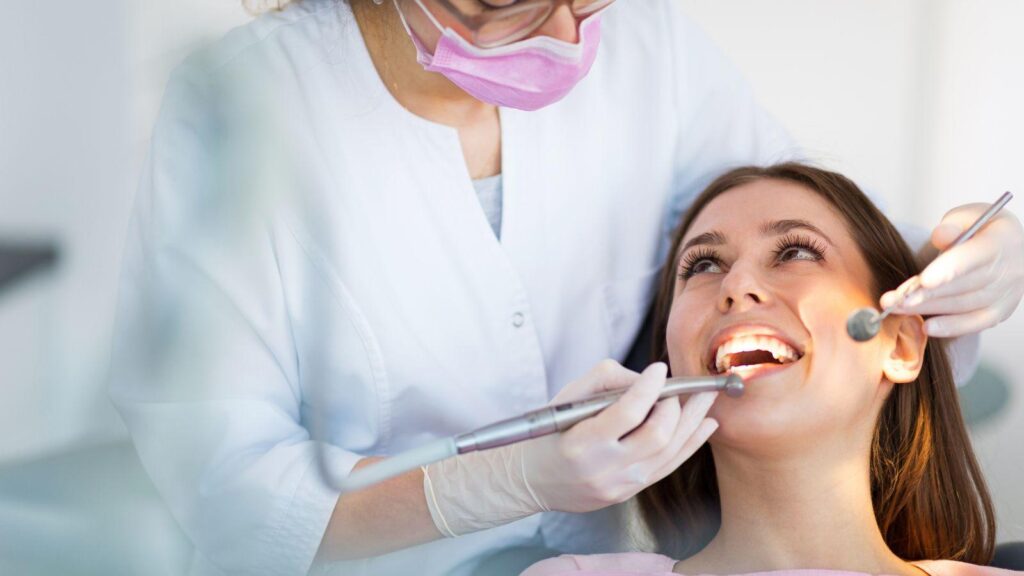
You can fix chips, stains, gaps, and misaligned teeth without guessing which treatment fits you. A cosmetic dentist in New Market, VA evaluates your smile, recommends targeted options like veneers, whitening, bonding, or minimally invasive orthodontic alternatives, and creates a plan that addresses both appearance and function.
As you continue, the article will explain common aesthetic concerns, the specific solutions available locally, how treatment plans get personalized, and what you must do to keep results stable after procedures.
Table of Contents
ToggleUnderstanding Common Dental Aesthetic Issues
You’ll encounter a few predictable problems that affect how your smile looks and how confident you feel. Each issue has specific causes and clear treatment paths a cosmetic dentist in New Market, VA can use to restore function and appearance.
Causes of Tooth Discoloration
Tooth discoloration stems from intrinsic and extrinsic sources that require different treatments. Extrinsic stains sit on the enamel and come from coffee, tea, red wine, tobacco, and colored foods; professional cleaning and in-office or take-home whitening often remove these.
Intrinsic discoloration occurs within the tooth structure and results from factors like aging, certain antibiotics (tetracycline) taken during tooth development, excessive fluoride exposure, or trauma. Whitening alone may not correct intrinsic stains; veneers or crowns often provide the most predictable color change.
Your dentist will evaluate shade stability, translucency, and any restorations before recommending options. Expect shade-matching, trial mock-ups, or test whitening when pursuing a specific color result.
Cracked or Chipped Teeth
Chips and cracks vary from minor enamel fractures to splits that reach the pulp. Small chips and superficial cracks can usually be smoothed or repaired with direct composite bonding that matches your tooth shade.
Larger fractures or cracks that compromise strength often need indirect restorations—porcelain veneers or crowns—to restore shape, function, and long-term durability. If a crack extends into the pulp or causes pain, root canal therapy may be necessary before restoring the tooth.
Your dentist will use visual exam, bite tests, and radiographs to determine the extent and select a conservative, strength-restoring option.
Misalignment and Gaps
Mild misalignment and spacing issues can often be corrected without full orthodontics. Clear aligner therapy addresses many cases of crowding, rotation, and gaps with removable, near-invisible trays.
Porcelain veneers or bonding can close small gaps, lengthen short teeth, and mask minor rotations quickly when orthodontics is not desired. For moderate to severe misalignment, fixed braces or comprehensive aligner treatment remains the most predictable approach.
Your dentist will consider bite function, tooth proportions, and long-term stability before recommending cosmetic-only fixes versus orthodontic movement. Expect diagnostic photos, digital setups, and models to illustrate likely outcomes.
Gum Aesthetics
Gum appearance influences tooth proportions and overall smile balance. Excess gum tissue (gummy smile) or uneven gum lines can be corrected with gum contouring using a soft-tissue laser or surgical crown lengthening.
Receding gums expose root surfaces and may cause sensitivity and an aged appearance. Gum grafting or regenerative procedures restore tissue volume and protect roots.
Your provider will assess gum health, pocket depths, and tissue biotype before cosmetic work. Healthy gums are a prerequisite; periodontal treatment may be required prior to elective aesthetic procedures.
Popular Cosmetic Dentistry Solutions
You can address discoloration, worn or misshapen teeth, and visible metal or dark fillings with targeted treatments that fit your timeline and budget. Options range from quick in-office whitening to multi-visit porcelain veneer restorations and conservative tooth-colored fillings.
Professional Teeth Whitening Options
In-office whitening uses a high-concentration peroxide gel and light activation to lift deep stains in one appointment. You’ll typically see several shades improvement within an hour, making it ideal before events or other cosmetic work.
Take-home trays from your dentist use custom-made trays and professional-strength gel for gradual, controlled whitening at home. This method gives you more control over final shade and is gentler on sensitive teeth than over-the-counter kits.
Ask about sensitivity management and shade-matching to adjacent teeth. Your dentist will evaluate restorations first, since crowns and veneers don’t whiten; you may need replacement or alternative treatments to match new tooth color.
Porcelain Veneers for Smile Transformation
Porcelain veneers are thin ceramic shells bonded to the front of teeth to correct color, shape, size, and minor alignment issues. You’ll undergo conservative enamel reduction, impressions, and temporary placement before final bonding, usually across two to three visits.
Veneers resist staining and replicate natural translucency, producing a consistent, long-lasting result when fabricated by a skilled ceramist. Expect a lifespan of 10–15 years with proper oral hygiene and routine dental care.
Discuss bite evaluation, shade selection, and how many teeth to veneer to achieve symmetry. Your dentist will show digital mock-ups or photos so you can preview aesthetic changes before irreversible work begins.
Tooth-Colored Fillings for a Seamless Look
Composite (tooth-colored) fillings restore decayed or chipped teeth while matching surrounding enamel for an invisible finish. The dentist layers and sculpts resin material directly in the tooth, then cures it with a light for durable, esthetic results in a single visit.
Composites bond to tooth structure, allowing more conservative preparation than metal amalgam. This bonding also helps strengthen the remaining tooth and reduces the risk of fracture.
Ask about material choices, longevity expectations, and cost compared with other restorations. Your provider will color-match the resin and polish it to blend with natural texture and luster.
Personalized Treatment Planning
You’ll get a plan that addresses both how your smile looks and how your teeth function. The plan outlines specific steps, timing, costs, and expected outcomes so you know what will change and why.
Comprehensive Smile Assessment
Your cosmetic dentist begins with a focused oral exam that records tooth health, bite alignment, gum condition, and any existing restorations. Expect soft-tissue checks, periodontal measurements, and a review of previous dental work to identify issues that could affect cosmetic choices.
The dentist will discuss your medical history, medications, and lifestyle habits—like smoking or teeth clenching—that influence treatment risks and longevity. They’ll also ask about the exact cosmetic goals you want: color, tooth length, symmetry, or closing gaps.
Based on this assessment, the dentist creates a prioritized list of treatments (for example: gum contouring before veneers, or orthodontics prior to bonding). The list includes timing, maintenance requirements, and alternatives so you can weigh function, aesthetics, and cost.
Digital Imaging and Smile Previews
Your dentist uses intraoral photos and high-resolution digital scans to build an accurate 3D model of your teeth and bite. These images support planning for restorations such as veneers, crowns, implants, and orthodontic movements.
Smile-design software lets you preview proposed changes—color, shape, and alignment—on your own face. You can review multiple options and request adjustments to tooth proportions or shade before any irreversible work begins.
Clinics often produce a mock-up or temporary trial restoration you can wear to evaluate feel and appearance in real life. This step reduces surprises and lets you confirm esthetic and functional outcomes before final treatment.
Restorative Techniques in Cosmetic Dentistry
You can restore both appearance and function using targeted, tooth-level treatments. These options range from quick, conservative fixes to stronger restorations that protect weakened teeth.
Dental Bonding for Minor Corrections
Dental bonding uses tooth-colored composite resin to repair chips, close small gaps, and reshape mildly misshapen teeth. Your dentist etches the enamel, applies bonding resin, sculpts it to match adjacent teeth, then cures it with a light—most procedures finish in a single visit.
Bonding preserves more natural tooth structure than veneers or crowns. Expect good aesthetics for front teeth, though resin stains more easily than porcelain and typically lasts 5–10 years with proper care.
You should avoid biting hard objects and maintain regular cleanings to maximize longevity.
Key benefits:
- Conservative, low-cost option
- Single-visit treatment
- Immediate aesthetic improvement
Limitations:
- Less stain- and wear-resistant than porcelain
- Not ideal for large restorations or heavily restored teeth
Dental Crowns for Structural Integrity
Dental crowns fully cover a damaged or weakened tooth to restore strength, shape, and function. Your dentist will reduce the tooth to create space, take impressions or scans, and place a temporary crown while a lab fabricates a permanent crown in porcelain, zirconia, or metal-ceramic.
Crowns protect teeth after large fillings, root canals, or fractures and restore proper bite alignment. They last 10–15 years or longer depending on material and oral hygiene.
You should expect two visits for traditional crowns or one visit if your dentist uses CAD/CAM milling.
Material considerations:
- Porcelain/ceramic: best match for front teeth
- Zirconia: high strength for back teeth and bridges
- Metal-ceramic: balance of strength and aesthetics
Care tips:
- Avoid chewing ice or non-food items
- Floss carefully at the crown margin to prevent decay
Advanced Orthodontic Alternatives
You can address alignment issues with discreet removable systems or with updated fixed appliances when bite complexity requires stronger control. Both approaches offer predictable tooth movement, but they differ in visibility, comfort, and the types of problems they reliably correct.
Clear Aligners for Discreet Straightening
Clear aligners use a series of custom, removable trays to move teeth gradually. You wear them about 20–22 hours per day and swap sets every 1–2 weeks.
Aligners work well for mild to moderate crowding, spacing, and some bite corrections. Expect digital scanning, a treatment plan preview, and periodic in-office or teledentistry check-ins.
Benefits include near-invisibility, easier brushing/flossing, and fewer emergency visits for broken wires. Limitations include reduced effectiveness for severe rotations, large vertical movements, or complex jaw discrepancies.
Discuss compliance, estimated treatment time, and retention with your dentist. Ask for a realistic outcome preview and whether attachments or elastics will be required to achieve your goals.
Modern Braces for Complex Cases
Modern braces—ceramic or metal—offer stronger, more precise control for significant misalignments and complex bite issues. Fixed brackets and wires apply continuous forces, making them better for severe crowding, large tooth movements, and jaw alignment problems.
Contemporary systems use low-friction wires, smaller brackets, and tooth-colored options to improve comfort and appearance. You’ll need regular adjustments every 4–8 weeks and careful oral hygiene to prevent decalcification.
Your dentist will evaluate X-rays, bite relationships, and growth factors to determine whether braces, possibly combined with other treatments (extractions, inter-arch elastics, or surgical referral), provide the most predictable path to a stable, functional result.
Soft Tissue Procedures for Enhanced Smiles
You can address gum height, shape, and thickness to make teeth look more even and reduce sensitivity. Procedures use precise surgical or laser methods to reshape tissue, improve symmetry, and prepare the mouth for restorations like veneers or crowns.
Gum Contouring to Improve Symmetry
Gum contouring removes or repositions excess gingival tissue so teeth appear proportionate. Your dentist will measure and mark ideal gum lines, then use a soft-tissue laser or scalpel to sculpt tissue; lasers reduce bleeding and speed healing.
Expect local anesthesia and a procedure time of 30–90 minutes depending on how many teeth need adjustment. Recovery includes mild swelling and a soft-food diet for several days.
Follow-up visits confirm the new gum margin and coordinate any restorative work, such as veneers or bonding, to match the improved contours.
Benefits of Choosing a Local New Market, VA Specialist
Choosing a local specialist gives you quicker access to personalized treatment plans and dental technology available at nearby practices. You gain practical benefits like shorter travel time, faster emergency care, and a team familiar with regional health needs.
Tailored Care for Community Needs
A New Market specialist understands common local lifestyle factors that affect oral health, such as dietary habits, occupational risks, and regional fluoride levels. This lets them design preventive plans and cosmetic choices that match your daily life—whether you need stain-resistant whitening for coffee drinkers or bite adjustments for manual laborers.
Local dentists often keep detailed records for repeat patients, so your restoration history, prior veneers or implants, and past orthodontic work inform any new treatment. That continuity reduces guesswork during shade-matching, implant placement, or designing a smile makeover, improving fit and aesthetic outcomes.
You also benefit from coordination with nearby specialists—periodontists or oral surgeons—when complex care is needed. Faster referrals mean your appointments proceed without long delays, and follow-up care stays consistent with the original treatment goals.
Access to Cutting-Edge Dental Technology
Many New Market practices invest in digital tools like intraoral scanners, CAD/CAM milling, and 3D imaging to deliver precise cosmetic and restorative work. These technologies shorten appointment chains: you can get same-day crowns or closely matched veneers because the office designs and mills restorations in-house.
Digital records improve communication about color, shape, and implant positioning. Your dentist can show 3D mock-ups of expected outcomes and adjust plans immediately, which reduces surprises and additional visits.
Advanced imaging also enhances safety during implant surgery and complex restorations, lowering the risk of complications. When your provider uses guided implant workflows or digital occlusal analysis, you get more predictable function and aesthetics tailored to your mouth.
Maintaining Results After Cosmetic Procedures
You will protect your investment by following specific daily habits and keeping scheduled professional care. Small changes—product choices, eating habits, and routine checks—make the biggest difference in longevity.
Oral Hygiene Best Practices
Brush twice daily with a soft-bristled brush and a non-abrasive fluoride toothpaste to avoid wearing down veneers, bonding, or enamel. Use a 45-degree angle and gentle circular motions for about two minutes.
Aggressive scrubbing can lift margins or scratch restorations. Floss once daily, sliding gently between teeth and under the gumline.
For implants or bridges, use floss threaders or interdental brushes sized to the contacts to remove plaque where a regular brush can’t reach. Rinse with an alcohol-free antimicrobial mouthwash if your dentist recommends it.
Alcohol can weaken some cements. Avoid whitening products without consulting your dentist when you have veneers or bonding, because peroxide can produce uneven results.
Limit staining foods and drinks like coffee, red wine, or soy sauce. Rinse or brush within 30 minutes after consuming them.
Follow-Up Visits and Long-Term Care
Schedule professional cleanings every 3–6 months as recommended for your specific treatment and gum health. Hygienists remove plaque and tartar in ways you can’t at home.
They can identify early issues like marginal gaps, staining, or cement breakdown. Plan restorative checkups for veneers, crowns, implants, or bonding at least once a year.
Your dentist will assess fit, bite, and soft tissues. They can polish or re-bond small chips.
For implants, expect periodic radiographs to monitor bone levels. This helps ensure stable integration.
If you grind or clench, ask for a custom nightguard to protect restorations. Report any sensitivity, looseness, or color change promptly.
Early repairs cost less and preserve aesthetic outcomes.