If whitening left you with uneven color, gray stains, or a stubborn single dark tooth, you don’t have to accept that as permanent. A dentist in Mauston, WI can offer targeted cosmetic options—veneers, bonding, crowns—that cover or replace discolored enamel and dentin when bleaching can’t reach the problem.
This post will explain why over-the-counter and professional bleaching sometimes fall short. It will discuss how specific cosmetic treatments work for different types of resistant discoloration, what results you can expect, and how to prepare for and maintain those improvements.
Table of Contents
ToggleWhy Traditional Whitening Has Its Limits
You’ll learn why some stains don’t respond to peroxide and what causes deeper discoloration inside the tooth. The actual chemical action behind whitening products will also be explained.
This helps you decide when whitening will help and when to consider other cosmetic options.
Intrinsic vs. Extrinsic Stains
Extrinsic stains sit on the enamel surface and come from coffee, tea, tobacco, red wine, and colored foods. They often respond well to professional cleaning and peroxide-based whitening because the bleaching agents oxidize and remove surface pigments.
Intrinsic stains lie inside the dentin or enamel and do not respond reliably to surface bleaching. Causes include tetracycline exposure, fluorosis, trauma-related internal bleeding, aging-related dentin darkening, and restorative materials like amalgam.
Intrinsic discoloration typically requires veneers, crowns, bonding, or internal bleaching (for some root-treated teeth) because the stain is within the tooth structure, not just on the surface.
Common Causes of Deep Tooth Discoloration
Tetracycline and doxycycline taken during tooth development bind to mineralizing dentin and produce a gray-brown banding that does not lighten with standard whitening. Excessive fluoride in childhood can create white flecks or brown mottling (fluorosis) that whitening often worsens or leaves unchanged.
Trauma can cause internal bleeding or pulp necrosis, turning a tooth gray or dark over time. Aging thins enamel and exposes darker dentin beneath, so even successful whitening may not achieve uniformly white results.
Dental restorations such as crowns, veneers, or large fillings won’t change color with bleaching and may require replacement to match a lightened shade.
How Whitening Treatments Work
Most whitening products use hydrogen peroxide or carbamide peroxide. These agents break down into free radicals that oxidize chromogens—pigmented molecules—within the enamel and near-surface dentin, altering their optical properties so teeth look lighter.
Concentration, contact time, and delivery method matter. In-office systems use higher peroxide concentrations and light or heat to accelerate action, while at-home trays use lower concentrations over longer periods.
Whitening penetrates only so far; it cannot reliably remove deep intrinsic pigments or change the color of non‑tooth materials. Sensitivity and uneven results can occur when enamel is thin, restorations are present, or stains are intrinsic.
Cosmetic Dentistry Solutions Beyond Whitening
You can correct discoloration that whitening won’t touch by changing the tooth’s surface, shape, or full structure. These options restore consistent color, mask internal stains, and protect weakened teeth while matching surrounding teeth.
Porcelain Veneers for Severe Discoloration
Veneers are thin, custom porcelain shells bonded to the front of teeth to hide deep or intrinsic stains that bleaching cannot remove. Your dentist will remove a small amount of enamel, take impressions, and place temporary veneers while a lab fabricates the final pieces to match your desired shade and translucency.
Porcelain mimics natural enamel’s light-reflecting properties and resists future staining better than composite materials. Expect two to three visits: preparation, try-in, and final bonding.
Veneers last 10–15 years with good care, but they are irreversible because enamel reduction is required. Consider veneers if one or several front teeth have tetracycline stains, enamel hypoplasia, or discoloration after root canal treatment.
They offer precise color control and improved shape, but they cost more than bonding and require evaluating bite and gum health beforehand.
Dental Bonding for Uneven Color
Bonding uses tooth-colored composite resin applied directly to the tooth to cover localized stains, chips, or minor shape issues. Your dentist roughens the surface, applies an adhesive, sculpts the resin, then cures and polishes it—usually in a single visit.
Composite lets your dentist match shades on the spot and conserve more natural tooth structure than veneers. Bonding is less costly and repairable if it chips, but it stains more easily and typically lasts 5–7 years depending on material and habits.
Choose bonding for small areas of discoloration, isolated dark spots, or when you prefer a conservative, quicker treatment. It suits those with healthy enamel who want an affordable aesthetic fix without enamel removal.
Crowns for Comprehensive Coverage
A crown fully encases a damaged or severely discolored tooth when color correction and strength are both required. Your dentist will reduce the tooth’s size, take impressions, and fit a temporary crown until a permanent porcelain, ceramic, or porcelain-fused-to-metal crown is ready.
Crowns solve intrinsic discoloration plus structural issues like large fillings, fractures, or extensive decay. They offer durable, long-lasting esthetics and protect the tooth from further damage while enabling precise shade matching to adjacent teeth.
Opt for a crown when the tooth’s integrity is compromised or when veneers/bonding cannot achieve desired strength or color control. Crowns require more tooth preparation and cost more than bonding, but they provide the most comprehensive coverage and function.
Identifying Discoloration Resistant to Whitening
You will encounter stains that hydrogen peroxide treatments cannot reliably remove. These include color changes rooted inside the tooth structure or caused by certain drugs and developmental conditions that alter enamel or dentin.
Genetic and Developmental Factors
Some people inherit enamel or dentin characteristics that make teeth naturally darker, grayish, or banded. Conditions such as amelogenesis imperfecta and dentinogenesis imperfecta change enamel thickness or dentin color, so bleaching agents have little effect because the discoloration originates below the surface.
You may also notice age-related darkening from lifelong dentin deposition and enamel thinning. As enamel wears, the yellowish dentin shows through more clearly.
Whitening can lighten surface stains but cannot reverse structural changes or replace lost enamel.
Key diagnostic clues you can look for:
- Uniform, intrinsic discoloration across multiple teeth suggests a developmental or genetic cause.
- Enamel defects or banding visible on close inspection indicate structural issues.
- Family history of similar tooth color strengthens the likelihood of genetic factors.
Medication-Induced Tooth Stains
Certain medications cause intrinsic stains that form inside tooth structure during development or accumulate within dentin. Tetracycline antibiotics taken by children or pregnant people often produce gray, brown, or yellow banding that does not respond to peroxide bleaching.
Other drugs and medical treatments can darken teeth later in life. Long-term use of some antihypertensives, antipsychotics, and iron supplements may alter tooth color.
Root canal-treated teeth also commonly darken from internal breakdown of pulp tissue or filling materials.
Practical signs that point to medication-related staining:
- History of tetracycline use in childhood or prenatal exposure.
- A single tooth darkening after trauma or root canal therapy.
- Bands or layered discoloration rather than surface-only stains.
When you identify these patterns, discuss cosmetic options—veneers, crowns, or bonding—with your dentist, since those approaches mask intrinsic stains that bleaching cannot fix.
Comparing Outcomes: Whitening vs. Cosmetic Procedures
You’ll see clear differences in how long results last and how precisely each option changes the look of your teeth. One focuses on stain removal; the other reshapes, masks, or replaces tooth structure.
Longevity and Maintenance
Whitening (in-office or dentist-supplied take-home systems) typically keeps results for 6–24 months depending on your diet, smoking, and oral hygiene. You’ll likely need touch-up gels or repeat in-office sessions to maintain shade, and sensitivity can increase with frequent retreatment.
Cosmetic procedures such as veneers, crowns, and bonding provide longer-lasting color stability. Porcelain veneers resist staining and can maintain shade for 10–15 years or more with proper care.
Composite bonding can discolor sooner and may need polishing or replacement every 5–7 years. Maintenance tasks differ: whitening needs periodic re-bleaching; restorations need regular dental checks, good hygiene, and avoiding habits that chip or stain the material.
Aesthetic Results
Whitening lightens your natural tooth shade but cannot change tooth shape, position, or repair intrinsic (internal) discoloration from trauma, root canal treatment, or fluorosis. Results are limited to your existing enamel and dentin translucency, so extremely dark or gray tones may not reach the brightness you want.
Cosmetic procedures let you target color, contour, and symmetry at the same time. Porcelain veneers and crowns allow precise control of shade, translucency, and shape; you can match adjacent teeth or choose a lighter, uniform shade.
Bonding and crowns also conceal intrinsic stains or structural defects. Expect more predictable color control with restorations, but understand they are irreversible treatments that may require future replacement.
Preparing for Cosmetic Interventions
You will go through a focused clinical exam and a tailored aesthetic plan so treatments target the exact cause and location of discoloration. Expect diagnostic imaging, shade mapping, and a stepwise sequence that protects tooth structure and gum health.
Professional Assessment and Diagnosis
Your dentist will start with a full oral exam and medical-dental history to identify intrinsic or extrinsic staining causes. They will take photographs, radiographs, and, if needed, pulp vitality tests to check for root canal–related darkening or internal resorption.
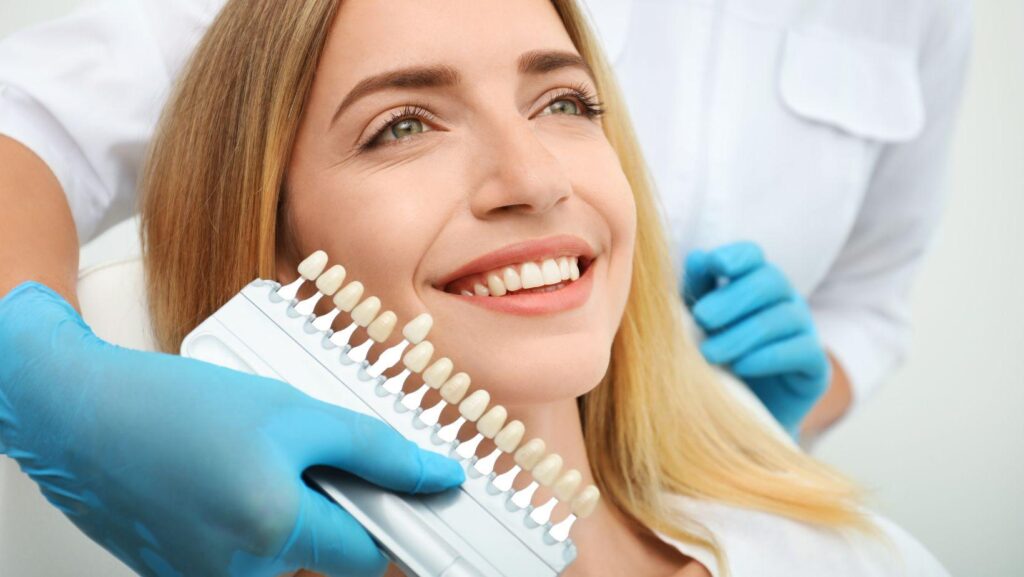
Shade mapping documents current tooth color and adjacent tooth relationships. Gingival health and periodontal measurements determine whether gum treatment or crown lengthening is needed before veneers or crowns.
Expect a discussion of enamel thickness, existing restorations, and bite forces; these affect whether bonding, porcelain veneers, crowns, or internal bleaching are appropriate. Your provider will explain risks, longevity, and how each option interacts with future whitening.
Personalized Smile Design
Your clinician will create a customized plan that balances color, shape, and function. They will use digital mock-ups or wax-ups so you can preview changes and approve shade and tooth proportions before irreversible work begins.
Treatment sequencing will prioritize conserving tooth structure. For example, internal bleaching (if applicable) precedes veneers, and periodontal therapy precedes restorative margins.
Material choices—composite, feldspathic porcelain, lithium disilicate, or zirconia—are selected to match translucency and strength needs.
You will receive a written timeline and cost estimate, plus post-procedure care instructions. This prepares you for appointments, expected maintenance, and how restorations will respond to future whitening or staining.
Maintaining Results After Treatment
You’ll keep treatment results longest by combining precise daily care with specific lifestyle adjustments. Targeted brushing and flossing, product choices, and routine dental visits protect restorations and reduce new staining.
Oral Hygiene Practices
Brush twice daily with a soft-bristled brush and a non-abrasive fluoride toothpaste to protect enamel, veneers, and bonding surfaces. Use gentle, short strokes at a 45° angle; avoid aggressive scrubbing that can wear margins or polish on restorations.
Floss once daily, sliding below the gumline and along each tooth’s side to remove plaque that causes discoloration and gum inflammation. Use interdental brushes or a water flosser if you have wide embrasures, implants, or fixed prostheses.
Rinse with an alcohol-free, low-stain mouthwash when recommended by your dentist. Schedule professional cleanings every 3–6 months depending on your restoration type.
Hygienists remove tartar and surface stains that at-home care can’t eliminate.
Lifestyle Considerations
Limit or time consumption of staining foods and drinks: coffee, tea, red wine, cola, and strongly pigmented sauces. When you do consume them, rinse with water afterward or drink through a straw to reduce tooth contact.
Avoid smoking and nicotine products; they accelerate staining and can compromise implant and gum health. If you grind your teeth, ask about a nightguard—bruxism can chip veneers and wear composite bonding.
Choose whitening-friendly products only with your dentist’s approval. For long-term brightness, plan touch-ups—professional whitening for natural teeth or re-polishing/replacement for veneers and bonding as recommended during follow-up visits.
Potential Risks and Considerations
You should expect trade-offs when choosing restorative options beyond whitening. Some materials can cause reactions, and some restorations require more maintenance or replacement over time.
Understand both health-related and financial durability issues before committing.
Material Sensitivities
Some patients react to metals, acrylates, or residual monomers in dental materials. If you have a history of contact dermatitis, nickel allergy, or oral mucosal reactions, tell your dentist.
They can order patch testing or choose non-metallic alternatives such as high‑strength ceramics (zirconia, lithium disilicate) or titanium for implants.
Temporary restorations and impression materials can also cause short‑term irritation. Symptoms include localized redness, burning, or ulceration.
If you experience persistent oral soreness after a procedure, seek evaluation—early identification prevents chronic mucosal changes.
If you have multiple sensitivities, ask for material data sheets and request allergy‑friendly protocols. Your dentist can run a small in‑mouth trial or use hypoallergenic cements and adhesives to reduce risk.
Cost and Durability Factors
Different treatments vary widely in price and longevity. Direct composite bonding is the least expensive upfront but may stain or chip within 5–10 years.
Porcelain veneers and crowns cost more initially but commonly last 10–15 years with proper care. High‑quality zirconia restorations can last longer but at higher cost.
Insurance coverage is often limited for cosmetic procedures. You should get an itemized estimate that includes lab fees, provisional restorations, and potential retreatment costs.
Ask about warranty or repair policies for chipping, debonding, or margin replacement.
Avoid abrasive toothpastes. Use a nightguard if you clench, and attend regular cleanings.
Emerging Trends in Cosmetic Dentistry for Discoloration
You’ll see growing use of minimally invasive restorations—like ultra-thin veneers and conservative crowns—that mask intrinsic stains without removing large amounts of tooth structure. These options preserve more of your natural tooth while delivering predictable color and shape improvements.
Digital workflows are accelerating treatment planning and shade matching. Intraoral scanners and CAD/CAM fabrication let you preview results and get restorations that fit precisely.
This reduces adjustments and improves color consistency. Composite bonding materials and techniques have improved; newer resins offer better color stability and layered shading to mimic natural teeth.
You can often correct localized intrinsic stains or surface defects chairside in a single visit. Biomimetic and adhesive approaches aim to strengthen discolored teeth while improving appearance.
These treatments combine restorative materials and conservative prep to address both function and esthetics. Emerging whitening adjuncts and maintenance products—such as professional-strength remineralizing agents and advanced whitening dentifrices—help you maintain results after restorative treatment.
They won’t fix deep intrinsic stains alone, but they support long-term color stability.
Quick reference:
- Veneers (ultra-thin): conservative, high esthetic control
- Composite bonding: single-visit, repairable, improved color matching
- CAD/CAM restorations: precise fit, consistent shade reproduction
- Biomimetic restorations: preserve tooth strength while improving color
Ask your dentist about the best combination of these trends for your case, since suitability depends on stain type, tooth health, and long-term goals.