Choosing a cosmetic dentistry in West Seneca, NY provider starts with knowing what matters: clinical skill, predictable materials and techniques, and a clear plan for long-term maintenance. Pick a dentist who shows a history of durable results, explains how different treatments wear over time, and maps out follow-up care so your investment keeps looking good.
You want someone who combines aesthetic judgment with modern technology and strong patient outcomes—someone local enough for easy visits and thorough enough to walk you through options like veneers, whitening, implants, and maintenance plans. This article will help you evaluate credentials, review real patient results, and prepare for a consultation that focuses on treatments that actually last.
Table of Contents
ToggleUnderstanding Cosmetic Dentistry
Cosmetic dentistry focuses on changing the appearance of your teeth and smile while often improving function and oral health. You’ll learn which treatments suit common aesthetic goals, what benefits to expect, and how cosmetic care differs from routine dental care.
Common Procedures and Treatments
Veneers reshape front teeth using thin porcelain or composite shells bonded to enamel. They correct chips, gaps, discoloration, and minor misalignment in one to two visits when fabricated by a qualified lab.
Teeth whitening uses in-office bleaching or professionally supervised take-home kits. In-office systems deliver faster, stronger results; take-home trays offer gradual maintenance with a lower risk of sensitivity when made from accurate impressions.
Dental bonding repairs small chips and fills gaps with tooth-colored resin. It’s less expensive than veneers but stains more easily and may need replacement sooner.
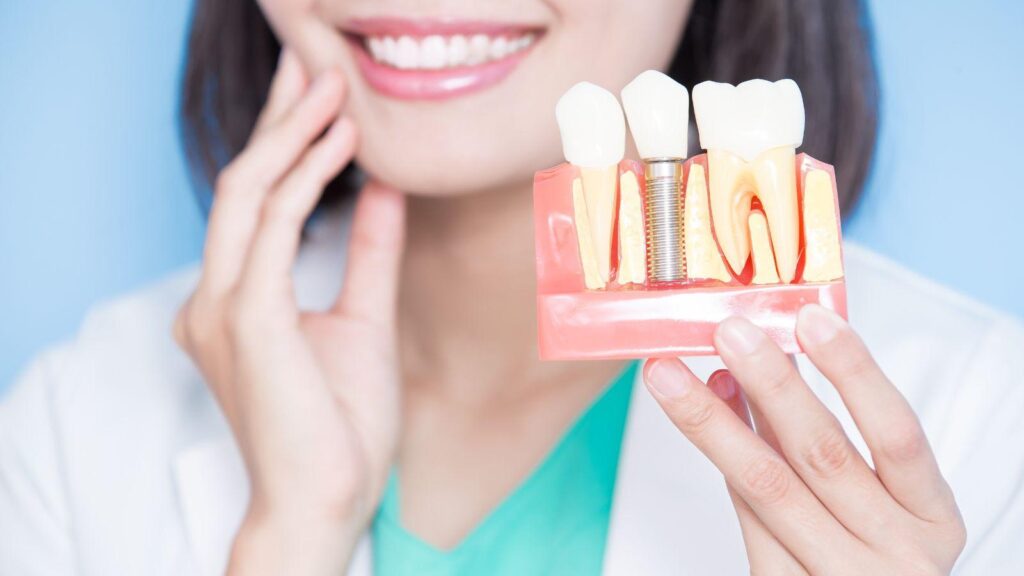
Crowns restore broken or heavily filled teeth and can be made from porcelain-fused-to-metal or all-ceramic materials for a natural look. Implants replace missing teeth with a titanium post and a crown, preserving bone and avoiding adjacent-tooth alteration.
Orthodontic options include clear aligners to correct spacing and alignment for cosmetic improvement. Your dentist may combine procedures—whitening before veneer placement, for example—to achieve consistent color.
Benefits of Cosmetic Dental Work
Cosmetic treatments can increase confidence by producing a natural-looking smile that matches your facial features and skin tone. Properly planned procedures also improve bite contact and chewing efficiency when they correct tooth shape or position.
Longer-lasting materials like porcelain resist staining and wear. This reduces repeat visits compared with lower-cost alternatives.
Implants preserve jawbone and prevent shifting of neighboring teeth, which supports long-term oral health. Well-executed cosmetic work often simplifies home care—smooth, properly contoured restorations reduce plaque traps and can make flossing easier.
Expect maintenance steps such as periodic polishing, occasional touch-ups for bonding, and following whitening maintenance schedules to preserve results.
How Cosmetic Dentistry Differs from General Dentistry
General dentistry focuses on prevention, diagnosis, and treatment of oral diseases: cleanings, fillings, root canals, and extractions. Cosmetic dentistry prioritizes appearance, although many procedures overlap with restorative care.
Cosmetic planning involves aesthetic analysis: tooth proportions, gum lines, color matching, and facial symmetry. You’ll typically see mock-ups, digital previews, or temporary restorations before final work to confirm appearance.
Treatment goals and materials often differ. General dentistry chooses durable, functional materials; cosmetic dentistry balances durability with translucency and color fidelity.
Your cosmetic dentist should discuss longevity, care needs, and potential trade-offs so you can make informed decisions.
Key Qualities to Look for in a Cosmetic Dentist
Look for verifiable qualifications, years of hands‑on experience with the specific procedures you want, and an active commitment to learning new techniques and materials. These three areas determine predictable, long‑lasting results.
Professional Credentials and Certifications
Check that the dentist holds a valid New York State dental license and any relevant specialty certifications. Ask to see proof of memberships in professional organizations such as the American Academy of Cosmetic Dentistry (AACD) or the Academy of General Dentistry (AGD); these indicate adherence to peer standards and ethics.
Request specifics: where they trained, which board exams they passed, and whether they have certifications for advanced procedures like implant restoration or sedation. Verify credentials online when possible — state licensing boards and organization directories can confirm status.
Look for evidence of practice-level quality too, such as whether the office maintains digital imaging, intraoral cameras, or a dedicated lab relationship. Those resources affect diagnostic accuracy and consistency of restorations.
Relevant Experience and Specialization
Ask how many cases like yours the dentist has completed in the last year and request before‑and‑after photos of those exact procedures. Volume matters: higher case counts translate to refined technique and fewer surprises.
Distinguish between general cosmetic work and true specialization. A dentist may place veneers, whiten teeth, and do crowns, but check for focused experience in the treatments you need — porcelain veneers, lumineers, full‑mouth reconstructions, or implant crowns.
Experience with local patient anatomy and aesthetic norms in the Buffalo area can also improve outcomes. Inquire about complication rates and how they manage revisions.
A practitioner confident in their work will describe predictable failure modes and clear remediation steps rather than vague reassurances.
Commitment to Continuing Education
Confirm the dentist attends advanced courses, hands‑on workshops, or accredited postgraduate programs regularly. Dentistry evolves rapidly: new bonding agents, ceramic materials, and digital workflows affect durability and appearance.
Ask for recent examples: specific courses, instructors, or certifications completed in the past two years. Look for training in digital smile design, CAD/CAM restorations, adhesion protocols, and implant prosthetics — areas that directly impact longevity.
Also check whether the office adopts evidence‑based protocols and updates consent forms and aftercare instructions when standards change. Ongoing education combined with documented protocol updates indicates a practice that aims for results that last.
Evaluating Treatment Longevity
Focus on materials, the clinician’s planning, and the aftercare steps you must follow. These elements determine whether restorations last years or need early replacement.
Materials Used in Cosmetic Procedures
Ask which specific materials your dentist uses and why. For crowns and veneers, prefer high-translucency zirconia or lithium disilicate (e.max) for a balance of strength and aesthetics; know that feldspathic porcelain looks natural but chips more easily.
For bonding, request nanohybrid resin composites with documented wear resistance. Request manufacturer names and product data sheets when possible.
Inquire about bonding protocols — surface treatments, adhesive systems, and curing methods — because weak bonding shortens lifespan. For implant restorations, confirm titanium or zirconia abutments and CAD/CAM-milled prosthetics for precise fit.
Treatment Planning for Long-Term Success
Ensure your dentist documents a clear, phased plan with timelines and backup options. The plan should include diagnostic records: intraoral scans, bite records, and periapical radiographs.
These let the dentist design restorations that respect occlusion and reduce fracture risk. Look for occlusal adjustment strategies to manage parafunctional habits.
If you grind, the plan should include a nightguard with specified material (e.g., hard acrylic) and follow-up intervals. Ask about material lifespan estimates and signs that indicate repair versus replacement so you can budget and schedule maintenance.
Patient Maintenance and Aftercare Guidance
You must follow a maintenance schedule tailored to your restorations. Typical guidance includes professional cleanings every 3–6 months for complex cosmetic work, daily use of a non-abrasive toothpaste, and flossing techniques suited for bridges or implants.
Get written aftercare instructions: what foods to avoid (hard candies, ice), when to use a nightguard, and which over-the-counter products are safe. Also confirm the office’s policy on handling chips or sensitivity and the warranty or retreatment terms for failures within the first year.
Regular reviews and prompt attention to minor issues extend the life of your investment.
Reviewing Patient Results
Look for concrete evidence of technique, materials used, and long-term stability when evaluating a dentist’s outcomes. Focus on photos, detailed patient accounts, and full treatment records that show follow-up and maintenance.
Before-and-After Photo Galleries
Examine high-resolution photos that show consistent lighting, the same angles, and matching smiles before and after treatment. Look for full-face and close-up shots of the teeth in repose and smiling, plus bite views when available.
Check for labeled dates and notes that specify procedures (e.g., veneers, crowns, whitening, implants) and materials (porcelain type, shade system). Note how the gum line, tooth proportions, and occlusion were addressed, not just surface aesthetics.
Watch for follow-up photos taken 6–12 months later to confirm color stability and margin integrity. If galleries lack timeline information or use obvious editing, treat the results as less reliable.
Patient Testimonials and Reviews
Prioritize reviews that describe the procedure type, timeline, and post-op experience rather than generic praise. Valuable details include how long restorations have lasted, any sensitivity or complications, and whether additional adjustments were needed.
Look for mentions of communication: how clearly the dentist explained options, the treatment plan, and maintenance steps. Verify consistency across platforms (Google, Yelp, practice site) and flag large gaps between documented results and patient statements.
Pay attention to reports about follow-up care and warranty coverage. Patients who describe routine checkups, repair timelines, or satisfaction with long-term outcomes offer stronger evidence than single-visit praise.
Case Studies of Complex Treatments
Review full case reports for multi-step treatments like full-mouth rehabilitations, implant-supported bridges, or orthodontics plus restorations. Case studies should include diagnosis, treatment plan, staging, materials, and timelines.
Demand documentation of functional outcomes: bite correction, phonetics, comfort, and implant osseointegration where relevant. Technical details—digital scans, CBCT use, provisional strategies, and lab communication—reveal clinical rigor.
Look for before/after radiographs and notes on complications or adjustments during follow-up. Cases that disclose challenges and how the team resolved them demonstrate realistic expectations and honest practice.
Consultation Process Overview
You’ll learn how the dentist evaluates your teeth and bite, clarifies your aesthetic priorities, and proposes specific treatment options with estimated timelines and costs. Expect targeted exams, photographic records, and a clear plan that aligns with your goals and budget.
Initial Assessment and Smile Analysis
Your first visit begins with a focused clinical exam of teeth, gums, jaw joints, and existing restorations. The dentist will take intraoral photos, panoramic or bitewing X-rays, and sometimes 3D CBCT scans if implants or complex alignment issues are possible.
They will measure bite relationships, tooth wear patterns, and gum levels to determine structural limits for veneers, crowns, or whitening. You should expect a discussion of oral health issues that must be treated first—decay, gum disease, or bite corrections—because aesthetic work lasts only if underlying health is stable.
Bring a list of current medications and prior dental records. The clinician often uses shade guides and digital smile simulation to show realistic starting points and constraints.
Discussing Your Aesthetic Goals
The dentist asks specific questions about what you want changed: color, shape, spacing, alignment, or overall harmony. Point out photos of smiles you like and explain why—brightness, tooth proportions, or naturalness—so the dentist can match technique to taste.
Expect a candid conversation about achievable results given your tooth structure, gum levels, budget, and willingness for maintenance. The dentist will clarify trade-offs, for example how aggressive tooth reduction for ultra-thin veneers affects future options.
You should leave this stage with a prioritized list of goals, a clear understanding of which goals require staged treatments, and notes on lifestyle factors that affect outcomes (smoking, acidic diet, grinding).
Customized Treatment Recommendations
The dentist presents tailored options such as in-office whitening, porcelain veneers, composite bonding, orthodontics, or implant crowns, with step-by-step sequences. For each option you’ll get details on procedure length, number of visits, materials used, longevity expectations, and follow-up care.
A written estimate usually outlines costs, insurance considerations, and financing. The plan also specifies prerequisite treatments—scaling, fillings, or occlusal guards—and proposes realistic timelines, for example 2–3 weeks for veneers lab work or 6–18 months for clear-aligner cases.
You should receive visual aids (mock-ups or digital previews), a proposed maintenance schedule, and clear next steps so you can make an informed decision.
Technology and Techniques That Make a Difference
You should expect technologies that let you preview results, preserve tooth structure, and use stronger, longer-lasting materials. Look for digital planning, guided workflows, and lab-grade restorative options that reduce surprises and rework.
Digital Smile Design and Imaging
Digital smile design (DSD) uses intraoral scans, photos, and software to create a visual roadmap for your case. Your dentist can simulate tooth shape, shade, and alignment on-screen so you see proposed changes before any irreversible work begins.
This reduces guesswork and helps you give precise feedback. Ask whether the office uses an intraoral scanner (no messy impressions) and CBCT or 3D imaging when implants or complex anatomy are involved.
These tools enable guided implant placement and predictable surgical outcomes. Also check if the practice provides printed or milled mockups so you can test aesthetics and function temporarily.
Digital workflows often shorten treatment time because labs receive accurate STL or DICOM files. That lowers remakes and improves fit for crowns, veneers, and clear aligners.
Make sure the dentist and lab communicate digitally for consistent color matching and margins.
Advanced Restorative Materials
Ceramics like lithium disilicate and zirconia offer high strength with lifelike translucency for crowns and veneers. Your dentist should explain material choices for front versus back teeth, balancing aesthetics and occlusal load.
Porcelain-fused-to-metal still has niche uses. Full-contour ceramics tend to last longer and stain less.
Composite resins have improved. High-quality direct composites can conserve enamel and work well for small repairs.
They’re more prone to staining long-term compared with ceramics. For implants, look for restorations cemented or screw-retained on titanium or zirconia abutments to minimize complications.
Ask about lab partnerships and milling technology (CAD/CAM). Chairside CAD/CAM systems can produce same-day crowns with precise marginal fit.
Specialized dental labs can customize layered ceramics for superior esthetics. Insist on documentation of material brand and expected lifespan so you can compare options.
Cost Considerations and Financing Options
Expect wide price variation based on procedure complexity, materials, and whether the dentist uses in-house labs or outside specialists. Plan for an initial exam, imaging (X-rays or CBCT), and possible preparatory work like gum therapy or temporary restorations when budgeting.
Factors Influencing Treatment Price
Several specific items drive cost. Porcelain veneers typically range higher than composite bonding because of lab fees and multiple visits.
Full-mouth smile makeovers add costs for diagnostic models, mock-ups, and staged treatment plans. Provider expertise affects fees; dentists with advanced cosmetic training or a strong local reputation often charge more.
Material choice matters: high-translucency ceramic and gold-based restorations cost more than standard porcelain or composite. Location and overhead in West Seneca influence pricing too.
Clinics on Union Road or those offering concierge-level service may have higher rates. Expect additional charges for sedation, implant placement, and custom shade-matching.
Ask for an itemized estimate that lists exams, labs, temporaries, and follow-up care.
Insurance and Payment Plans
Cosmetic procedures often fall outside essential dental benefits, so insurance may cover only parts tied to function (crowns for bite repair, implants to replace missing teeth). Verify plan details and get preauthorization for any restorative portion that might qualify.
Many West Seneca practices offer third-party financing (CareCredit, LendingClub) or in-house monthly plans. Compare interest rates, terms, and required down payments.
Ask the office about package pricing for multi-step treatments. Inquire whether they offer discounts for paying in full.
Request a written payment agreement that specifies what’s included, timelines for staged treatments, and policies for unforeseen complications or warranty coverage.
Location and Accessibility in West Seneca, NY
Choose a dentist whose office sits conveniently on routes you use and offers hours that match your schedule. Check public transit stops, parking availability, and whether the office handles same-day or evening appointments.
Office Proximity and Hours
Look for offices along main corridors such as Union Road or near the 400/Interstate 90 approaches to West Seneca for easier access from Buffalo, Orchard Park, or Hamburg. If you commute, prioritize a location within 10–15 minutes of your home or workplace to make follow-ups and maintenance visits practical.
Confirm on-site parking and ADA access before booking. Many West Seneca practices list parking, ramp access, and elevator availability on their websites or phone lines.
Also verify hours: if you work daytime shifts, choose practices offering early mornings, evenings, or limited weekend blocks to avoid missed appointments. Ask about emergency or same-day slots for prosthetic adjustments, bonding repairs, or implant complications.
Availability of sedation or longer appointment windows for multi-step cosmetic work can reduce the number of visits you need.
Local Regulations and Professional Associations
New York State requires cosmetic dentists to hold a valid dental license from the New York State Education Department. Check the license status online or ask the office to provide their license number and specialties before scheduling cosmetic procedures.
Look for affiliation with local or national organizations such as the New York State Dental Association (NYSDA) or the American Academy of Cosmetic Dentistry (AACD). Membership indicates ongoing education and adherence to practice standards, which matters for complex treatments like veneers or implant-retained prostheses.
Verify whether the practice follows New York infection-control standards. Check if they list clear policies on consent, treatment planning, and warranty or follow-up care for cosmetic procedures.
These details protect you from unexpected costs and ensure compliance with local regulations.
Building a Lasting Relationship with Your Dentist
Choose a dentist whose communication style matches yours. Clear explanations about options, risks, and maintenance help you make informed choices.
Prioritize regular visits. Follow the maintenance plan your dentist recommends.
Consistent checkups and cleanings prevent small issues from becoming problems that compromise cosmetic work.
Trust and transparency matter. You should expect honest cost estimates and realistic outcome previews.
Look for a practice that invests in continuity of care. Teams that include the same hygienists and assistants build institutional knowledge about your oral history.
This improves monitoring and adjustments over time.
Use a simple checklist to evaluate fit:
- Communication: Do they explain procedures clearly?
- Access: Can you schedule follow-ups without long delays?
- Transparency: Are costs and expected lifespans of treatments stated up front?
- Comfort: Do you feel respected and listened to during visits?
Keep records of treatments and before/after photos. These help you and your dentist track wear patterns.
Decide when maintenance or replacement is necessary.
Expect collaborative decision-making. You should feel like an active partner in planning care that balances aesthetics, function, and durability.