Finding one dentist in Palm Harbor, FL who cares for toddlers and grandparents saves you time, reduces anxiety, and keeps your family’s dental history in one place. Choosing a family dentist means coordinated care across ages—pediatric expertise for kids, preventive and restorative options for adults, and comfort-focused care for seniors—all under one roof.
You’ll learn what to look for in a family-oriented practice, which services keep everyone healthy, and how practical factors like location, accessibility, and payment options affect your choice. This guide walks you through those details so you can confidently pick a dental home that fits your family’s needs.
Table of Contents
ToggleBenefits of a Family Dentist
A single family dentist can streamline care for every age, reduce repeated paperwork, and keep treatment consistent across decades. You get coordinated appointments, a unified treatment plan, and one reliable place for preventive, restorative, and emergency needs.
Continuity of Care Across Generations
When one dentist treats your children, parents, and grandparents, they build a living record of family risk factors like decay patterns, gum disease, and bruxism. That historical knowledge lets the dentist spot early trends—such as hereditary enamel weaknesses or recurring cavities—and tailor prevention like fluoride schedules or sealants accordingly.
You also benefit from consistent treatment philosophies. A dentist who knows how a patient responded to prior restorations or anesthesia choices can select materials and approaches that match those outcomes.
That reduces surprises and helps maintain dental health through growth, aging, and changing medical conditions.
Simplified Scheduling and Coordination
Keeping everyone at one practice saves you time on logistics. You can often book back-to-back appointments for children and adults, coordinate hygiene visits with specialty care (orthodontics or implants), and handle urgent needs without duplicating intake forms.
Many family practices offer flexible hours and reminder systems that help you manage school and work schedules. If someone needs same-day care after an injury, the office already has your records and consent preferences, which speeds treatment and reduces stress.
Comprehensive Dental History Maintenance
A unified chart consolidates X-rays, periodontal charts, restorations, and medication lists in one place. That makes treatment planning more accurate—your dentist can compare bite changes, evaluate past crowns, and monitor bone loss over years without hunting through files.
You avoid gaps that occur when records transfer between offices. Clear, continuous documentation improves preventive care decisions, reduces unnecessary imaging, and supports insurance claims with consistent documentation of procedures and timelines.
Services Offered for All Ages
You’ll find care that starts with prevention and develops into age-appropriate restorative, orthodontic, and prosthetic treatments. The practice typically organizes services to support growth, appearance, function, and comfort from first teeth through denture care.
Preventive Pediatric Dentistry
You’ll receive early oral exams, fluoride varnish, and dental sealants to protect newly erupted molars. Providers emphasize eruption monitoring and bite development so they can recommend space maintainers or early interceptive measures when necessary.
Routine cleanings occur every 3–6 months based on caries risk, with diet counseling focused on reducing sugary snacks and bottle-bedtime habits. Vaccination- and medication-history reviews help tailor care for children with health conditions or special needs.
Behavior management techniques—tell-show-do, positive reinforcement, and protective stabilization when needed—keep visits efficient and less traumatic. Emergency care for chipped teeth and traumatic injuries is often available same-day or by phone triage.
Teen and Adolescent Treatments
You’ll get orthodontic screening and treatment options, including traditional braces and clear aligners, based on skeletal and dental development. The dentist monitors wisdom tooth eruption and advises removal timing to prevent impaction or crowding.
Preventive strategies for teens include high-fluoride toothpaste prescription, targeted sealants for newly erupted premolars and molars, and sports mouthguards custom-fitted for contact athletes. You’ll also receive guidance on tobacco, vaping, and diet impacts on oral health.
Restorative choices—composite fillings, inlays, and tooth-colored crowns—balance aesthetics and function for active adolescents. Management of TMJ symptoms, grinding (bruxism), and orthodontic relapse are addressed with night guards or retainer plans.
Adult Oral Health Solutions
You’ll find comprehensive restorative care: fillings, porcelain crowns, bridges, and implant placement to replace missing teeth. Practices often combine digital X-rays and intraoral scanning for precise treatment planning and faster prosthetic delivery.
Periodontal evaluation and treatment—scaling and root planing, localized antibiotics, and maintenance cleanings—protect you from progressive gum disease. Cosmetic services, such as teeth whitening and veneers, are available when you want to improve shade and smile symmetry.
Restoration of function includes full-mouth rehabilitation for complex wear, occlusal adjustments, and TMJ therapy. Emergency appointments for acute pain, infections, and broken restorations are typically accommodated promptly.
Senior-Specific Dental Care
You’ll receive care tailored to medical complexity: medication-review consultations, management of dry mouth (xerostomia) caused by common prescriptions, and minimally invasive restorations when healing is slower. Dentists screen for oral cancer at routine visits, important as risk rises with age.
Prosthetic options include implant-supported dentures, overdentures, and conventional removable dentures with chairside relines. Periodontal maintenance intervals often shorten to control bone loss and prevent tooth mobility.
Coordination with physicians supports patients with diabetes, anticoagulation, or cardiac histories for safe dental procedures. Home-care instruction and caregiver training help maintain oral hygiene when dexterity or cognition declines.
Key Qualities in a Family-Oriented Practice
Look for a practice that handles infants through seniors, creates a welcoming space for kids, and explains treatments clearly so every family member feels informed and comfortable.
Experience With Multi-Generational Care
You want dentists who treat toddlers, teens, adults, and older adults with equal skill. Confirm that the clinicians have experience in pediatric behavior management, adult restorative work, and geriatric issues like dry mouth, root caries, and prosthetic maintenance.
Ask about specific training or years treating each age group and whether the office coordinates care across specialists (orthodontists, endodontists, prosthodontists) when needed. Check that preventive programs adapt by age: fluoride varnish and sealants for children, periodontal monitoring for adults, and denture checks for seniors.
Verify they use age-appropriate appointment timing and exam protocols so your child’s first visits and your parents’ recall care are efficient and effective.
Child-Friendly Office Environment
A child-friendly office reduces anxiety and improves cooperation. Look for visual cues: kid-height seating, colorful yet calming décor, and a separate waiting area or play corner that keeps young children engaged without disrupting adults.
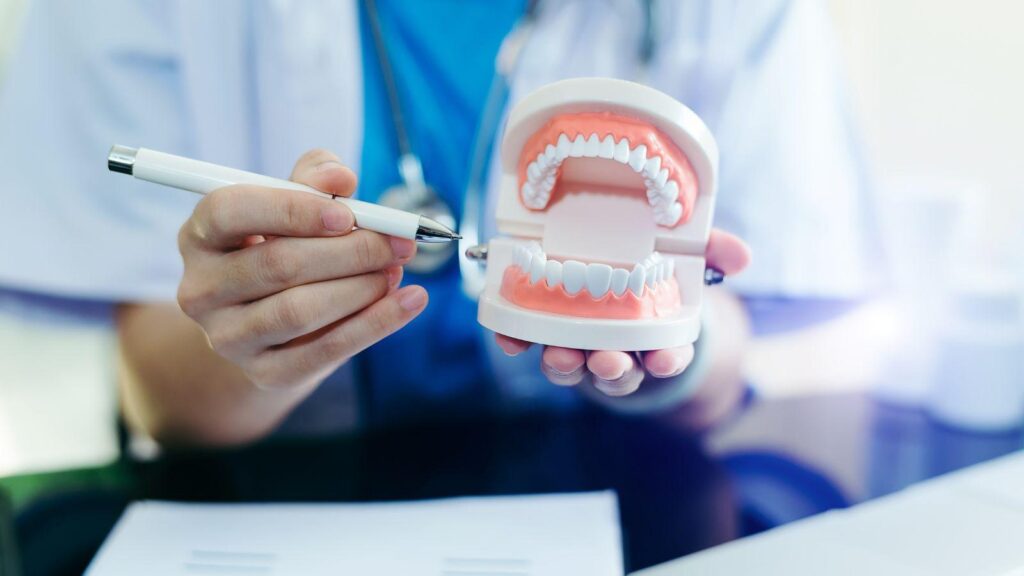
Observe whether staff greet children directly, use child-friendly language, and explain procedures with models or short demonstrations. Examine practical features: short check-in forms for kids, flexible scheduling to match nap or school times, and treatment rooms equipped with pediatric instruments and restraint alternatives.
Ask about sedation options and behavior techniques so you can choose the safest approach for your child’s comfort.
Communication and Patient Education
Clear communication saves time and reduces stress for your family. Expect the team to explain diagnoses, treatment options, and costs in plain language, using visuals like intraoral photos, diagrams, or treatment timelines.
They should provide written care instructions and digital resources for home care tailored to each age—infant feeding and eruption guidance, orthodontic hygiene tips for teens, and medication-related oral care for seniors. Confirm the practice offers multiple communication channels: phone, secure patient portal, text reminders, and online billing.
Make sure they schedule time for questions during visits and follow up after significant procedures to monitor healing and answer concerns.
Building Trust and Comfort for Every Age
You should expect care that treats each family member as an individual, with techniques and communication tailored to children, adults, and seniors. Comfort, clear explanations, and predictable routines make visits less stressful and improve long-term oral health.
Gentle Techniques for Young Patients
You’ll find pediatric-friendly steps that reduce fear and build cooperation from the first visit. Staff use calm, simple language and describe tools with non-threatening terms to set expectations before any touch occurs.
Many offices offer a “show–tell–do” approach: the team shows a mirror or a brush, lets your child touch the instrument, then performs the exam or cleaning. Distraction and positive reinforcement work well.
Expect the use of age-appropriate distractions (toys, videos, or story-based explanations) and tangible rewards like sticker charts to encourage repeat visits. Fluoride varnish and sealants are applied quickly, minimizing chair time while protecting developing teeth.
If your child needs more invasive care, clinicians often use topical anesthetic first and explain sensations in concrete terms. For children with special needs, ask about staff training, sensory-friendly rooms, and scheduling during quieter times.
Addressing Dental Anxiety in Adults
You should receive direct strategies to reduce anxiety and make appointments predictable. Dentists offer techniques such as detailed pre-visit planning, stepwise disclosures of each procedure, and clear time estimates so you know what to expect.
Communication tools like signal cards or a holding-up hand signal let you pause treatment at any time. Comfort measures commonly provided include noise-canceling headphones, blankets, and topical anesthetics before injections.
For severe anxiety, discuss sedation options—nitrous oxide for light relaxation, oral sedatives for moderate anxiety, or oral-conscious sedation—always explained with risks, recovery time, and pre-visit restrictions. Behavioral strategies help too.
Practices may schedule longer initial visits, offer gradual desensitization appointments, or provide written and video explanations of procedures. Ask about patient testimonials or success stories for the specific dentist you’re considering.
Personalized Approaches for Seniors
You should expect care that responds to age-related oral and medical changes with practical adjustments. Dentists screen for dry mouth from medications, root decay from gum recession, and denture fit.
They coordinate with your primary care physician when systemic conditions—or blood thinners—affect treatment choices. Appointments may include extra time for mobility needs, transfers, or caregiver involvement.
The team should document current medications and update prosthetic histories to manage risks and avoid incompatibilities with dental materials. Preventive focus often shifts toward minimizing root cavities and managing soft-tissue health through targeted cleanings and topical therapies.
If you use dentures or implants, expect chairside adjustments and clear home-care instructions. When cognitive decline is present, staff should use simple, repetitive instructions and involve a designated caregiver in consent and daily care planning.
Location and Accessibility Considerations
Choose a practice that minimizes travel time for your family and offers straightforward access from major roads and community hubs. Look for clear parking, public transit links, and entrance features that match your daily routines.
Proximity to Local Schools and Workplaces
Locate a dentist within a short drive of the schools your children attend or your workplace to simplify appointments. A clinic within a 10–15 minute drive of Palm Harbor Elementary, Tarpon Springs High, or your office on U.S. 19 reduces schedule conflicts and helps you combine appointments with drop-off or lunch breaks.
Check for flexible hours such as early mornings, late afternoons, or Saturday slots to accommodate school and work schedules. Practices near bus stops or along major commuter routes make it easier if you rely on public transit.
Confirm on-site parking with stroller-friendly spaces and quick in/out visits for routine checks.
Accessibility for Patients With Mobility Challenges
Verify that the office meets ADA standards: step-free entrances, automatic doors, and ramps where needed. Ask whether hallways and treatment rooms allow wheelchair maneuvering and if the operatories have adjustable dental chairs that aid transfers.
Confirm accessible restrooms and reserved parking close to the main entrance. If you or a family member uses mobility devices, call ahead to request accommodations like curbside check-in, wider exam rooms, or extra time between appointments to avoid rushing.
Insurance and Payment Flexibility
Expect clear options for using family dental coverage, child-specific plans, and alternatives if you lack insurance. You should know how in-network benefits, deductibles, and financing choices affect costs for preventive visits, orthodontics, and restorative care.
Navigating Family Dental Plans
Check whether the Palm Harbor practice accepts your insurer and lists dentists as in-network to maximize benefits. Ask the front desk to run a benefits check before appointments so you know your annual maximum, deductible, and covered procedures for each family member.
Confirm age-based coverage differences—orthodontic benefits often have age limits, while pediatric sealants and fluoride may be covered fully for children. Request a written estimate that shows patient responsibility for exams, cleanings, X-rays, fillings, crowns, and any specialist referrals.
Bring dependent information and your policy ID to your first visit. If multiple family members need care, ask about bundled visit scheduling to reduce repeat copays and coordinate treatment plans to stay within annual benefit limits.
Options for Uninsured Patients
If you don’t have dental insurance, find out whether the office offers an in-house dental savings plan or sliding-scale discounts. These plans commonly cover routine cleanings, exams, and reduced fees on restorative work for a flat annual fee.
Explore third-party financing such as CareCredit or low-interest patient payment plans that split larger procedures into monthly payments. For children, ask about preventive-care packages that lower per-visit costs and prioritize early interventions to avoid higher future expenses.
Request a pre-treatment cost breakdown and compare it to community clinics or dental schools in Pinellas County if budget is tight. Always confirm any payment plan’s interest rate, fees, and payment schedule in writing before you consent to treatment.
Choosing Your Dental Home in Palm Harbor
Finding a single practice that serves children, adults, and seniors saves time and keeps records consistent. Look for a dentist offering pediatric, general, and geriatric services so your whole family receives coordinated care under one roof.
Check practical details first: hours, location, insurance and payment options, and emergency availability. Confirm the office accepts your carrier or offers a clear fee schedule and flexible scheduling for school or work constraints.
Assess the team’s experience and training. You want clinicians comfortable with children’s behavior guidance, adult restorative work, and age-related concerns like dry mouth or root surfaces in seniors.
Read recent local reviews to gauge patient satisfaction and office atmosphere. Notice the office environment and communication style during a visit or phone call.
Friendly staff, clear explanations, and child-friendly spaces matter if you want children to feel safe. For seniors, ask about wheelchair access, longer appointment times, and coordination with medical providers.
Use this quick checklist to compare practices:
- Services offered: pediatric to geriatric care
- Insurance/payment: accepted plans and transparency
- Accessibility: parking, mobility access, extended hours
- Patient experience: reviews, office friendliness, communication