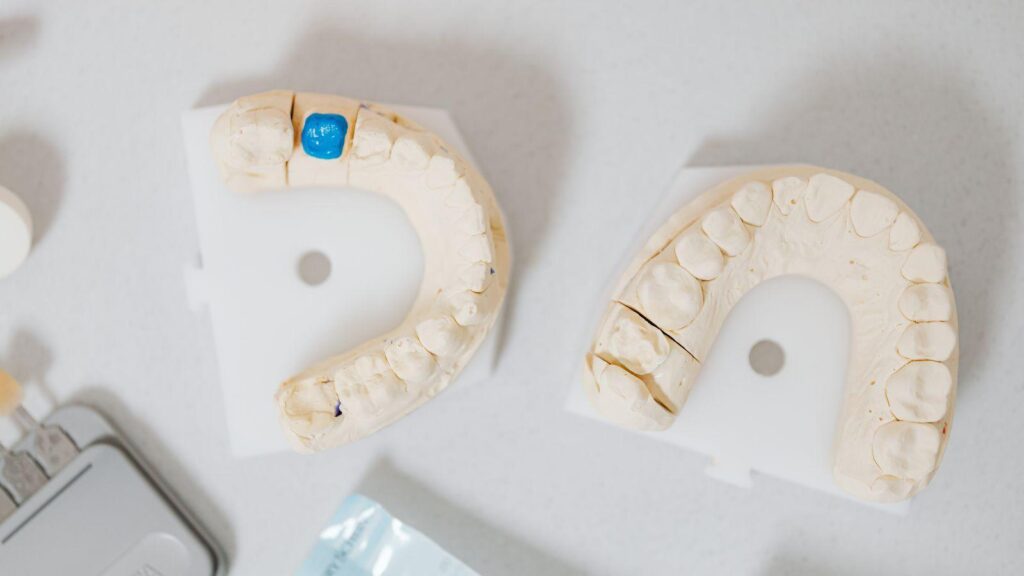
You need a crown that fits your schedule and restores function without dragging out appointments. Same-day crowns use digital scans and in-office milling so you leave with a finished, permanent restoration instead of a temporary that wears, chips, or demands a second visit.
This post will explain how the technology works, why it appeals to busy people, how patient experience compares to traditional lab-made crowns, who makes a good candidate, and what to consider about cost and long-term value.
Many patients seeking a cosmetic dentist in Evansville, IN appreciate this approach since it restores both appearance and function in a single visit. Expect clear comparisons and practical guidance so you can decide whether skipping the temporary-crown wait fits your life and dental needs.
Table of Contents
ToggleUnderstanding Same-Day Dental Technology
Same-day crowns rely on in-office digital design and milling, ceramic or composite blocks, and a digital scan that replaces messy putty impressions. You get a final restoration in one visit without a temporary crown or a lab turnaround.
How Chairside CAD/CAM Systems Work
Chairside CAD/CAM systems combine a digital scanner, design software, and an in-office milling unit. Your dentist scans the prepared tooth with an intraoral scanner that creates a high-resolution 3D model in seconds.
The software lets the clinician design the crown virtually, adjusting margins, occlusion, and contacts while you watch or approve. Once design is complete, the milling unit carves the restoration from a solid ceramic or composite block.
Milling usually takes 10–30 minutes depending on complexity. After milling, the crown is stained, glazed, or polished as needed and then bonded to your tooth the same appointment.
Materials Used for Immediate Crowns
Same-day crowns commonly use monolithic ceramics such as lithium disilicate (e.g., IPS e.max) or high-translucency zirconia, and sometimes resin-based hybrid blocks. Lithium disilicate offers a good balance of strength and aesthetics for anterior and many posterior crowns.
High-translucency zirconia provides greater strength for molars but can be less lifelike without additional staining. Resin-hybrid blocks (polymer-infiltrated ceramics or composite blocks) let the miller produce restorations that are easier to adjust and less abrasive to opposing teeth.
Material choice affects longevity, shade matching, and cost. Your dentist will recommend the option that suits tooth location, bite forces, and aesthetic needs.
Digital Impressions vs. Traditional Impressions
Digital impressions use an intraoral scanner to capture a 3D surface map; traditional impressions use trays with alginate or silicone putty. With digital scans you avoid gagging, fewer retakes occur, and the digital file can be sent directly to the milling unit or a lab instantly.
Traditional impressions remain useful for complex full-arch cases or when soft-tissue detail around margins is difficult to capture digitally. Digital workflows reduce appointment count and temporary crown use, while traditional methods sometimes require lab fabrication and at least one additional visit.
Convenience Factors Driving Demand
Same-day crowns cut the number of appointments, reduce total chair time, and let you leave with a finished restoration the same day. These changes matter when scheduling, travel, work commitments, or childcare make return visits difficult.
Reduced Number of Dental Visits
Same-day crowns typically require a single appointment instead of two or more. You arrive for preparation, digital scanning, chairside milling, and placement all in one visit, eliminating the need to schedule a second surgical or bonding session.
Fewer visits lower the chance you’ll miss work or need childcare. They also remove the interim phase with a temporary crown, which can fracture, irritate the gum, or require emergency repairs that force extra appointments.
If you travel long distances for care, a single visit reduces travel time and cost. For patients with mobility limitations or transportation barriers, same-day delivery can mean access to definitive care that would otherwise be impractical.
Time Savings for Busy Professionals
You save hours over multiple appointments. Typical traditional crown workflows involve two separate visits plus lab turnaround; same-day workflows consolidate those steps, often completing treatment within 1.5–3 hours depending on complexity.
That condensed timeframe minimizes lost billable hours or work absences. You can plan treatment around a single block in your calendar rather than juggling multiple appointments over weeks.
Same-day crowns also remove the repeated administrative tasks—multiple check-ins, pre-authorizations, and follow-up calls—that add friction for working patients. The streamlined schedule fits better into tight professional lives.
Streamlined Treatment Process
Digital scanning replaces messy impressions, producing accurate 3D data in minutes. You avoid discomfort from impression material and reduce the need for retakes caused by poor impressions.
Chairside CAD/CAM milling shapes the restoration while you wait, and in-office finishing and staining produce a final crown ready for bonding that day. This tight control over each step reduces communication delays compared with sending prescriptions to an external lab.
The in-office workflow gives your dentist direct oversight of fit and esthetics before cementation. This can improve initial fit and reduce the need for adjustments or remakes.
Patient Experience and Satisfaction
Same-day crowns save you time and reduce common sources of discomfort. You leave the office with a finished, milled crown that matches the prepared tooth, avoiding multiple appointments and temporary restorations.
Immediate Comfort and Fit
When your crown is designed and milled in the chairside unit, the fit is verified during the same visit. Your dentist can adjust occlusion, contacts, and margins while you’re still numb, so bite issues get corrected immediately rather than waiting for a lab remake.
That direct, real-time adjustment often reduces post-op sensitivity because the final restoration seats precisely over the prepared tooth. You typically spend a single two- to three-hour appointment instead of two shorter visits.
Because the crown is permanent on day one, you avoid the common irritation and dietary limits that come with temporaries. You can return to normal chewing habits faster.
Eliminating Temporary Crown Discomfort
Temporary crowns commonly loosen, fracture, or trap food at the margins, causing soreness and extra office calls. With a same-day permanent crown, you remove the risk of temporary failure and the need for emergency recementing.
That lowers the chance of soft-tissue irritation and the sensitivity that often follows a loose temporary. Skipping a temporary also reduces follow-up work: no separate appointment to remove a provisional or verify lab-fit.
For you, that means fewer missed work hours, no interim bonding materials to cause taste or gum issues, and fewer opportunities for bacterial ingress that can lead to sensitivity or decay.
Comparing Same-Day and Traditional Crowns
You’ll weigh trade-offs between single-visit convenience and laboratory customization, plus differences in material choices, fit, and long-term performance. Cost often aligns closely, but chair time, temporary crown risks, and case complexity drive the decision.
Longevity and Durability
Same-day crowns are typically made from monolithic ceramics (e.g., lithium disilicate) milled from a single block. Those materials offer high compressive strength and good wear resistance for most posterior and anterior restorations.
Expect clinical lifespans in the same multi-year range as many lab-fabricated all-ceramic crowns when prepared and bonded correctly. Traditional crowns allow broader material options, including layered porcelain fused to metal (PFM), full-gold, and more complex ceramic/zirconia builds.
That flexibility can be important when you need maximum fracture resistance (e.g., bruxism) or specific occlusal designs. Longevity depends more on tooth preparation, occlusion, cementation technique, and oral hygiene than on whether the crown was made same-day or in a lab.
Aesthetic Results
Same-day CAD/CAM crowns produce accurate, shade-matched monolithic restorations quickly. Modern digital shade-taking and staining/glazing let the lab or the dentist achieve very natural translucency and surface texture for single-unit anterior work.
You get a finished appearance the same day, eliminating temporary crown color mismatches. Traditional crowns can deliver layered ceramics with nuanced internal color gradients, custom characterization, and multi-material layering that labs can finesse.
That extra customization can matter if you need ultra-fine color blending across multiple adjacent teeth or very translucent incisal effects. For most single-tooth restorations, well-executed same-day crowns meet typical aesthetic demands; choose a lab route when you require advanced layering or multi-tooth continuity.
Considerations for Candidacy
Same-day crowns suit many situations but aren’t universal. You should evaluate tooth condition, bite forces, gum health, and aesthetic needs to decide if a single-visit crown is appropriate.
Ideal Candidates for Same-Day Crowns
You qualify when a tooth has moderate decay, a large existing filling, or a fracture that leaves enough healthy enamel and dentin for bonding. Same-day crowns work well after root canal therapy when the remaining tooth structure is sound.
Patients with stable gum tissue and minimal bleeding during preparation get more predictable digital scans and better marginal fit. You also benefit if you need a crown quickly for function or appearance and you value avoiding a temporary crown and a second visit.
Good candidates typically have controlled bruxism or wear a night guard, as same-day ceramic materials perform well under normal occlusal forces. If you have reasonable esthetic demands for a single tooth in the posterior or anteriors where a milled ceramic shade match is available, same-day options often meet expectations.
Potential Limitations and Contraindications
Severe tooth destruction that requires a post-and-core or extensive buildup may rule out a single-visit crown. You may need a lab-fabricated crown if the case requires layered porcelain for complex esthetics or custom metal frameworks.
Active periodontal disease, heavy bleeding, or significant gum recession can compromise the digital impression and the crown margin. Uncontrolled bruxism, severe malocclusion, or very high bite forces increase the risk of fracture for some ceramic materials; your dentist may recommend alternative materials or staged treatment.
Complex full-mouth rehabilitation, multiple adjacent crowns requiring coordinated shade layering, and implants with angulation issues often benefit from lab involvement. Your dentist will assess radiographs, bite records, and soft-tissue health before recommending same-day treatment.
Cost and Value Assessment
Same-day crowns typically cost in the same range as traditional crowns, but you save on time, temporary-crown visits, and extra adjustments. Consider direct fees, insurance coverage limits, and the value of fewer appointments when judging whether the price fits your needs.
Insurance and Payment Options
Many dental plans treat same-day crowns similarly to lab-made crowns, applying the same coverage percentage or annual maximums. Confirm with your insurer whether they code CEREC or chairside-milled crowns the same as traditional crowns; if they don’t, expect partial coverage or a higher patient share.
Ask your dentist to submit a pre-treatment estimate to your insurer. That estimate shows expected coverage and your out-of-pocket responsibility before work starts.
If your plan has an annual maximum, a single higher-cost crown may use more of that benefit than several smaller procedures. Payment options commonly include:
- Credit/debit cards
- CareCredit or medical credit lines
- In-office financing or payment plans
- Health savings accounts (HSA/FSA)
Confirm fees for scan, milling, and cementation so you can compare total cost across offices.
Long-Term Value for Patients
Durability and fewer follow-up visits affect long-term value more than the single-visit sticker price. Same-day ceramic crowns can match lab crowns for strength and fit when crafted properly, reducing the chance you’ll need a remake or adjustment later.
You save on indirect costs such as time off work, travel, and childcare when you avoid a second appointment. Those savings can be significant if you have a busy schedule or live far from your dentist.
Track warranty terms and any promised adjustments—some offices include free follow-ups for a set period, which enhances value. Factor in potential future costs: a properly fitted crown reduces the risk of recurrent decay and need for root canal or replacement, preserving both tooth health and your long-term dental budget.
Future Trends in Dental Restorations
You will see continued integration of digital workflows—3D scanning, CAD/CAM design, and in-office milling. Restorations will move from concept to placement in a single visit.
That reduces chair time and eliminates temporary crowns for many patients.
Materials will improve further, with higher-strength ceramics like advanced zirconia and layered glass ceramics offering better aesthetics and longevity. These materials aim to match natural tooth color while resisting wear and fracture.
AI and machine learning will assist in design and fit, helping you get restorations that require fewer adjustments. Expect software to suggest occlusal contours and esthetic parameters based on large datasets.
Labs and chairside systems will increasingly collaborate through cloud-based platforms. This enables hybrid workflows when complex cases need specialist input.
You’ll benefit from faster turnaround without sacrificing lab expertise.
Practical considerations you should watch:
- Cost vs. value: Same-day tech can lower long-term costs by reducing appointments, but equipment investment may affect fees.
- Case selection: Complex or highly esthetic cases may still need lab workflows.
- Training: Clinician skill and system training remain critical for predictable outcomes.